Professional illustration about Azalea
Pink Lace Azalea Overview
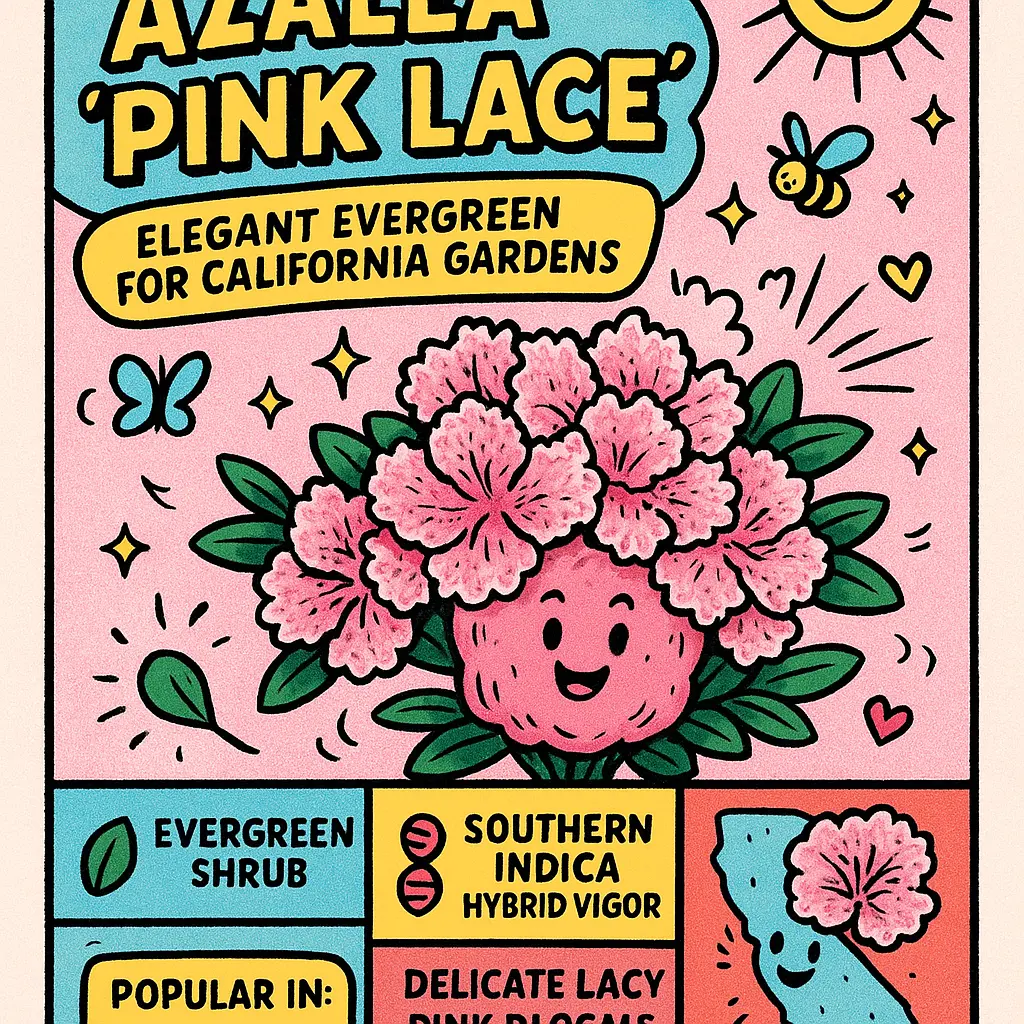
Azalea 'Pink Lace' stands out as one of the most elegant evergreen shrubs for California gardens, blending classic Southern Indica hybrid vigor with the delicate charm of lacy pink blooms. This flowering shrub has gained popularity in regions such as Santa Rosa, Sonoma County, and the Sacramento area for its reliability, ornamental beauty, and remarkable adaptability. Pink Lace Azalea is a compact, upright shrub, typically reaching 4 to 6 feet in height with a similar spread, making it ideal for container gardening or serving as a show-stopping container specimen on patios and entryways. Its upright growth habit and moderate size allow it to be used as a landscape accent, either in mixed shrub borders or as a low hedge alongside shade tolerant shrubs like Camellia or the bold foliage of New Zealand Flax (Phormium tenax).
One of the hallmarks of Azalea 'Pink Lace' is its profusion of spring blooms. The blossoms are a soft shell pink, intricately edged with a frilled appearance that creates a lace-like effect, hence the name. These flowers appear in abundance from late March through April, attracting pollinators while brightening up shaded garden corners. Garden centers across California often feature Pink Lace Azalea on their availability lists during early spring because it’s such a dependable spring bloomer and a customer favorite for its ornamental value.
Pink Lace Azalea thrives best in filtered sun to partial sun, making it especially valuable for those challenging garden spots where full sun-loving plants struggle. It is a heat tolerant azalea, well-suited for the fluctuating temperatures of inland Northern California, and performs reliably in both urban and suburban landscapes. For optimal growth, this azalea prefers acidic soil with a well-draining profile—a must for maintaining lush, healthy foliage and vibrant blooms. Mulch layers composed of pine bark or leaf mold help to retain soil moisture, suppress weeds, and maintain the acidity azaleas crave. This is particularly important in California gardens, where summer heat can quickly dry out exposed soil.
When used as part of a mixed planting, Pink Lace Azalea pairs beautifully with perennials and flowering shrubs like Clematis, which can weave through the azalea’s branches for a layered spring display, or with fruit trees that provide dappled shade. In larger landscapes, the soft pink flowers of Pink Lace Azalea contrast dramatically with the bold, architectural lines of Phormium tenax and complement the subtle hues of Camellia. Because it is an evergreen shrub, Pink Lace Azalea remains attractive year-round, providing lush, green structure even when not in bloom.
For those interested in container grown trees or shrubs, Pink Lace Azalea adapts readily to pots, provided the container is wide and deep enough to support its moderate root system and is filled with acidic, well-draining soil. Regular watering is essential, particularly during dry spells, but the plant’s moderate water needs mean it will not overwhelm your irrigation schedule. In California’s Mediterranean climate, a twice-yearly application of acid-loving plant fertilizer can help sustain healthy growth and prolific blooming.
A few tips for maximizing the success of Pink Lace Azalea in your landscape: ensure the planting area receives morning sun with afternoon shade, avoid planting too deeply, and allow good air circulation around the shrub to prevent mildew. In established gardens, Pink Lace Azalea can be underplanted with low-growing perennials or groundcovers, creating a multi-layered effect that enhances both the beauty and biodiversity of your yard.
Overall, Pink Lace Azalea’s combination of compact growth habit, vivid spring bloom, year-round evergreen presence, and flexibility in both garden beds and containers makes it an outstanding choice for California homeowners seeking a low-maintenance, high-impact flowering shrub. Whether as a single specimen, part of a mixed border, or a featured accent in a shade garden, this Southern Indica hybrid delivers reliable performance and timeless appeal.

Professional illustration about Evergreen
Key Features in 2026
When it comes to the Azalea 'Pink Lace', 2026 brings fresh excitement for gardeners and landscapers who crave both beauty and resilience in their outdoor spaces. This evergreen shrub continues to stand out as a top choice in California’s dynamic gardening scene, especially in areas like Santa Rosa, Sacramento, and throughout Sonoma County. One of the most notable key features this year is its compact growth habit, which makes it incredibly versatile for a wide range of landscape designs—whether you’re aiming for a lush border, a vibrant bed of flowering shrubs, or an eye-catching container specimen on your patio. With the increasing popularity of container gardening across California, the Pink Lace Azalea has proven itself as a practical and ornamental focal point, thriving even in container grown trees arrangements alongside companions like Camellia, Clematis, and New Zealand Flax (Phormium tenax).
In terms of spring bloom, the Pink Lace Azalea dazzles with its frilly, pastel-pink flowers that appear beginning in late March and often persist into May. Garden centers and nurseries have reported that its updated availability list for 2026 places this plant among the top-requested flowering shrubs, especially for those seeking a reliable shade tolerant shrub. Unlike many azaleas that struggle with California’s fluctuating weather, this Southern Indica hybrid is recognized for its heat tolerant azalea traits. It thrives in filtered sun to partial sun, making it ideal for locations under tall fruit trees or near large perennials. Gardeners in warmer inland regions appreciate that, with a good mulch layer and consistent moderate water, Pink Lace Azalea maintains its glossy evergreen foliage all year, resisting leaf scorch and drought better than most older azalea varieties.
Soil preferences are critical for maximizing the upright growth habit and floriferous display of this azalea. The Pink Lace requires well-draining soil with an acidic pH—much like other Southern Indica azaleas. For best results, amend the soil with organic matter and consider planting alongside acid-loving companions such as Camellias or even under the canopy of mature fruit trees. In raised beds or as part of a perennial border, the Pink Lace Azalea’s roots benefit from proper drainage, which helps prevent root rot and encourages a robust root system. In 2026, updated planting guides from regional experts emphasize the importance of using a specialized azalea potting mix for container-grown plants, ensuring the right balance of moisture and aeration.
Another standout feature for this year is Pink Lace Azalea’s adaptability as a landscape accent. Homeowners and landscape designers are increasingly using it to soften hardscape edges or add seasonal color beneath shade sails and pergolas. Its moderate water needs suit California’s water-wise gardening ethos, especially when paired with drought-adapted plants like Phormium tenax or New Zealand Flax. The result is a balanced, visually striking landscape that requires less maintenance than traditional mixed borders.
When selecting the Pink Lace Azalea from your local garden center in 2026, look for plants in 5-gallon or larger containers, as these will establish more quickly and provide immediate impact in the garden. Most garden centers in the Sacramento Area and Sonoma County now offer detailed planting guides tailored for local conditions, helping gardeners achieve the best results with this ornamental plant. For those working with smaller spaces, such as urban patios or compact front yards, the Pink Lace Azalea is an excellent container specimen, pairing well with dwarf fruit trees, trailing clematis, or low-growing perennials that share its need for acidic, well-draining soil and filtered sunlight.
In summary, the Pink Lace Azalea in 2026 is all about reliable spring color, evergreen appeal, and adaptability to both traditional beds and modern container settings. Its ongoing popularity reflects a shift toward lower maintenance, water-conscious gardening without sacrificing visual impact—a winning combination for California gardens and beyond.
Professional illustration about Azalea
Ideal Growing Conditions
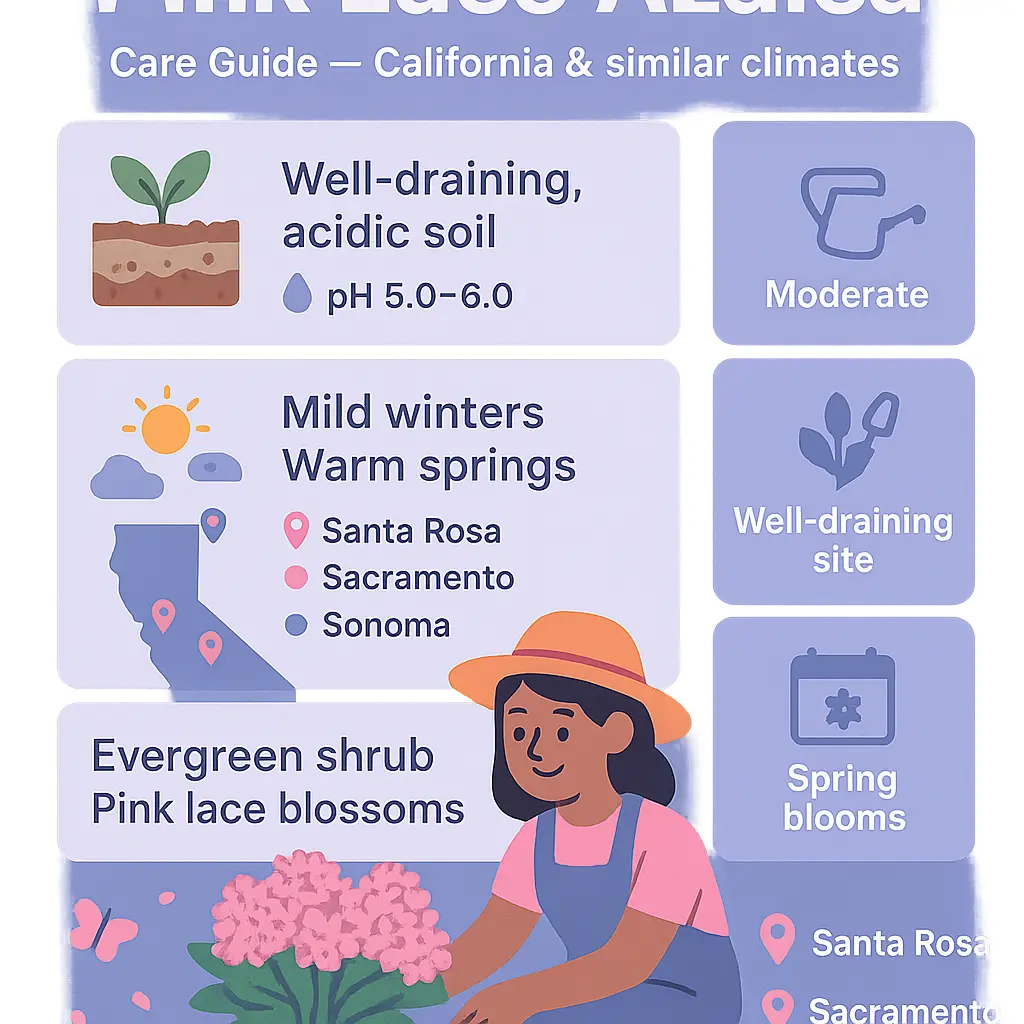
For gardeners in California or similar climates, Azalea 'Pink Lace' thrives in well-draining, acidic soil with a pH level between 5.0 and 6.0. This evergreen shrub is especially popular in areas such as Santa Rosa, Sacramento, and Sonoma County, where the mild winters and warm springs support vibrant spring blooms. To get the most from your Pink Lace Azalea, choose a location that offers filtered sun or partial sun—especially valuable in regions prone to intense midday heat. While this Southern Indica hybrid is more heat tolerant than some other azaleas, it still prefers protection from scorching afternoon rays. Planting near larger flowering shrubs like Camellia or under the dappled shade of fruit trees provides a natural buffer, shielding your azalea from extreme exposure and promoting a compact growth habit.
Optimal growing conditions also include a generous layer of organic mulch. A 2"–3" mulch layer composed of pine bark or leaf mold helps retain moisture, keeps roots cool, and contributes to the acidic environment Pink Lace Azalea loves. When adding mulch, keep it a couple of inches away from the shrub’s base to prevent root rot or fungal issues typical in dense, damp layers. If you’re growing this ornamental plant in a container as a specimen or as part of container gardening, select a high-quality peat-based mix—never regular garden soil, which may compact too tightly and stunt root development. Container grown trees and shrubs need adequate drainage; ensure your container has multiple holes and consider adding perlite or pine bark for extra aeration.
Watering is a key factor for Azalea success. Pink Lace Azalea requires moderate water needs—not soggy, but consistent. Deep watering once or twice a week (depending on rainfall and local temperatures) encourages deep root growth, making it more resilient during dry spells. Santa Rosa and Sacramento area gardens benefit from early morning irrigation schedules, reducing evaporation and discouraging fungal growth. Remember, wilted or yellowing leaves could signal overwatering or poor drainage, so monitor soil moisture carefully, especially in heavy clay soils common in some California gardens.
Planting Pink Lace Azalea as a landscape accent or mixed border brings texture and lasting color. It pairs beautifully with perennials such as Clematis and New Zealand Flax (Phormium tenax), each thriving in similar soil and sunlight conditions. When planning your arrangement, allow for upright growth habit and the typical mature size of 3 to 5 feet tall. The shrub’s compact form makes it ideal for smaller urban gardens, shady patios, and as a shade tolerant shrub under taller trees. For those looking for a spring-blooming, evergreen shrub that stands out, Azalea 'Pink Lace' delivers both beauty and adaptability through thoughtful site selection and care.
Availability of Pink Lace Azalea varies by nursery and garden center. Always request the most recent availability list to ensure you’re getting healthy, acclimated plants suited for your region. Consult a local planting guide for tips on timing and placement, adjusting recommendations for your site's sun exposure and drainage specifics. With the right foundation, careful attention to soil, light, water, and companion planting, your Pink Lace Azalea will become a standout element in California landscapes or anywhere Southern Indica hybrids grow best.

Professional illustration about Shrubs
Soil and Water Needs
When it comes to growing the Azalea 'Pink Lace' as an evergreen shrub in California and surrounding areas like Santa Rosa, Sonoma County, and the Sacramento Area, understanding its soil and water needs is absolutely crucial for healthy growth and brilliant spring bloom. This Southern Indica hybrid, known for its compact growth habit and striking pink lace blossoms, thrives best in moist, acidic soil with excellent drainage. For gardeners planning to incorporate Pink Lace Azalea as a flowering shrub, landscape accent, or even a container specimen alongside Camellias, Clematis, Phormium tenax (New Zealand Flax), and fruit trees, knowing how to create the ideal soil environment is key.
Soil Requirements for Pink Lace Azalea
Azaleas, especially Southern Indica hybrids like Pink Lace, demand acidic soils with a pH range of 4.5–6.0 to access nutrients properly. In the Sacramento Area and Santa Rosa, native soils can vary, so it’s wise to test your garden soil before planting. If your soil leans alkaline, you can amend it by adding organic matter, such as peat moss, pine needles, or leaf mold, which gradually acidifies the planting site. A well-draining soil is important because Azaleas are highly susceptible to root rot if left in soggy conditions. Consider blending coarse sand or fine bark into heavy clay soils to improve drainage. In container gardening, use a specialized azalea potting mix, formulated to maintain both the low pH and good drainage that evergreen shrubs require.
For those growing Pink Lace Azalea as container grown trees or container specimens, especially in urban settings across California, choosing the right substrate can make a dramatic difference. Select containers with adequate drainage holes and fill them with a balanced mix of peat, perlite, and composted pine bark, ensuring the medium stays loose yet moisture-retentive. This environment closely mimics the forest floor, allowing roots to spread easily while supporting upright growth habit typical of healthy azaleas.
Water Needs and Irrigation Practices
Pink Lace Azaleas have moderate water needs and prefer a consistently moist—but not waterlogged—root zone. In California’s variable climate, especially during hot, dry summers, regular deep watering is essential, particularly for newly planted shrubs and perennials. Apply water at the base of the plant, avoiding wetting the leaves to minimize the risk of foliar diseases. For established plants, a mulch layer of pine bark or needles helps retain soil moisture, suppress weeds, and regulate temperature. This is especially useful for shade tolerant shrubs positioned under taller trees like Camellia or fruit trees, where filtered sun and partial sun conditions prevail.
During periods of drought or unexpected heat waves—a common challenge in regions from Sonoma County to Sacramento—Pink Lace Azalea demonstrates some heat tolerance but will still require supplemental watering. As a practical rule, allow the top inch of soil to dry slightly between waterings, then soak thoroughly. Overwatering can lead to root problems, while underwatering may stress the plant and reduce its spring bloom potential. Drip irrigation systems or soaker hoses work wonders for maintaining even soil moisture with minimal evaporation, particularly in ornamental plant groupings that include evergreen shrubs and perennials.
Practical Tips and Examples for Optimal Plant Health
- If your garden center offers an availability list of soils and amendments, seek out products labeled for acid-loving plants.
- When planting Southern Indica hybrids like Pink Lace Azalea near other flowering shrubs or phormium tenax, ensure each plant’s root system has its own space to prevent competition for water and nutrients.
- In landscape designs, avoid positioning your Pink Lace Azalea in low-lying areas where water tends to collect; instead, consider slightly raised beds or berms for enhanced drainage.
- For container gardening enthusiasts in California, monitor soil moisture daily, especially during spring bloom or extreme heat events, to avoid dry spells that could harm your shrub.
By catering to their specific soil acidity and moisture needs, gardeners can help Pink Lace Azaleas flourish as vibrant, long-lived, evergreen shrubs. Whether nestled among camellias and clematis, or showcased as a standalone container grown tree on a sunny Santa Rosa patio, providing the right growing conditions ensures these Southern Indica hybrids reward your efforts with a dazzling floral display each spring.

Professional illustration about California
Sunlight Requirements
When planting Azalea 'Pink Lace', understanding its sunlight requirements is key to achieving that lush, vibrant spring bloom every gardener craves. This evergreen shrub thrives best in areas where it receives filtered sun or partial sun, making it an excellent choice for gardens in California, especially spots like Santa Rosa, the Sacramento area, and Sonoma County. Direct afternoon sun, especially in hotter microclimates, can stress this shade tolerant shrub, leading to scorched leaves or reduced blooming. Place your Pink Lace Azalea where morning sunlight can gently bathe its compact growth habit, and provide dappled shade during the harshest midday hours—under the canopy of larger flowering shrubs like Camellia or alongside taller perennials and fruit trees.
Pink Lace Azalea is remarkably heat tolerant compared to many other Southern Indica hybrids. In regions prone to summer heat waves, including much of California, a mulch layer becomes essential. Mulching not only helps moderate soil temperature but also retains moisture, an important factor since Azaleas have moderate water needs and shallow roots. For those dealing with garden layouts lacking natural shade, utilizing garden structures or companion planting — such as pairing with Phormium tenax (New Zealand Flax) or Clematis — can offer the necessary protection while enhancing landscape aesthetics.
Container gardening enthusiasts will appreciate that this blooming plant adapts well as a container specimen or even container grown trees, provided they're situated in a spot with indirect light. On patios or balconies, find a location where the azalea receives filtered sunlight, ideally protected from strong winds and excessive heat. The upright growth habit of Azalea 'Pink Lace' makes it especially suitable for small outdoor spaces where flexible positioning is crucial. Rotating the container to ensure even light distribution is a smart practice, preventing lopsided growth and encouraging a uniform flush of pink lace-like blooms.
For landscape accents, integrating Pink Lace Azalea among shade-loving companions is wise. It harmonizes seamlessly with southern Indica hybrids, camellias, and ornamental perennials that prefer similar light conditions. If you’re shopping from a garden center or reviewing the availability list for spring planting in 2026, always ask about the best exposure for your specific site—microclimates can vary even within a single county. Remember, whether nestled by the porch or tucked beneath broad-leaved trees, well-draining acidic soil and the right sunlight exposure lay the foundation for healthy, evergreen shrubs that burst forth with iconic spring color. By observing how morning and afternoon light interacts with your landscape, and responding with smart placement, you’ll ensure your Pink Lace Azalea becomes a standout specimen—whether it’s anchoring a perennial border or starring as a potted treasure.
Professional illustration about Flowering
Planting Instructions
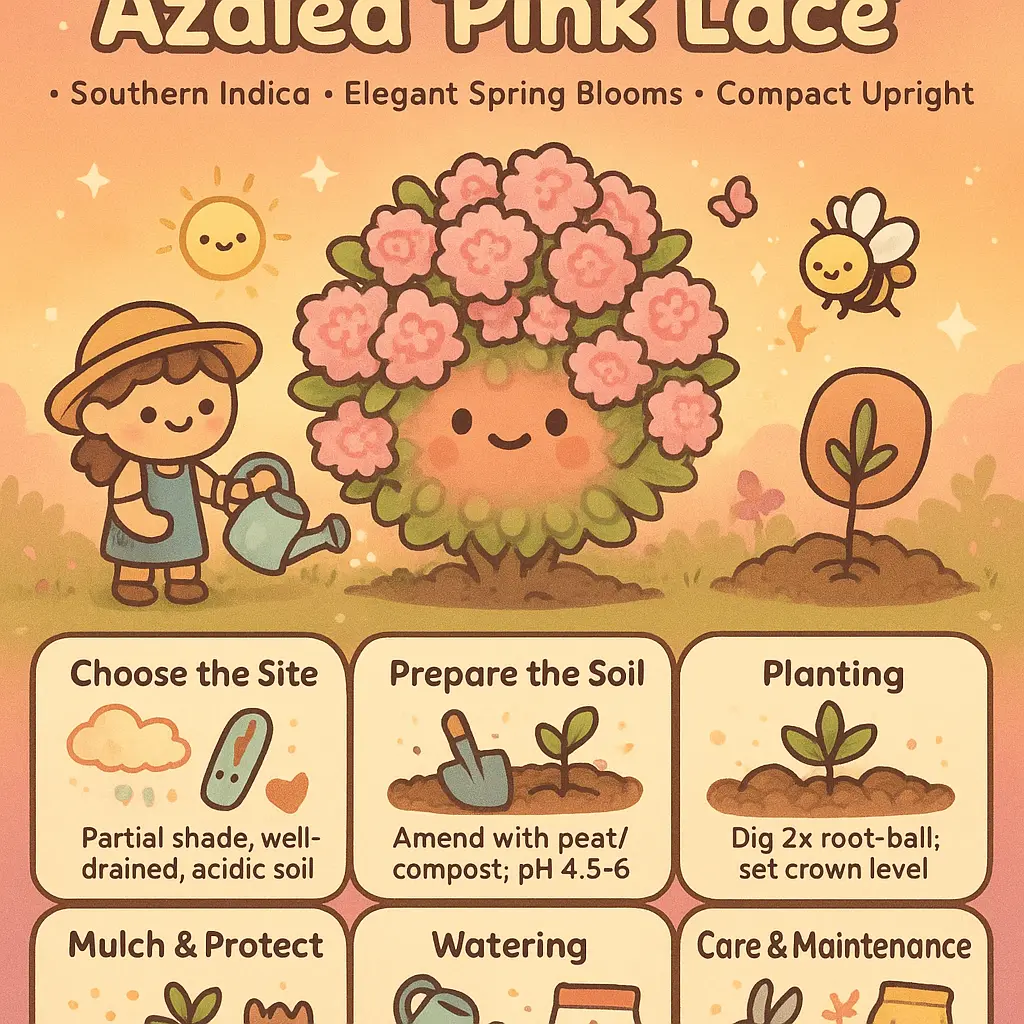
When it comes to planting Azalea 'Pink Lace', a stunning Southern Indica hybrid prized for its elegant spring bloom and compact yet upright growth habit, the process is straightforward yet requires some attention to detail to ensure optimal establishment and lasting beauty. Begin by selecting a suitable planting site—Pink Lace Azalea thrives best in locations with filtered sun to partial sun exposure, making it ideal for spots beneath the high canopy of mature trees like camellias, fruit trees, or even in combination with perennials and ornamental plants like Clematis and New Zealand Flax (Phormium tenax). While it is quite heat tolerant, especially in regions like Santa Rosa, the Sacramento Area, and Sonoma County, it's still wise to provide afternoon shade in hotter inland California microclimates, which helps protect the delicate pink lacy blossoms from scorching.
Site preparation is crucial. The key for successful planting of this evergreen shrub is well-draining, acidic soil—aim for a pH between 5.0 and 6.0. If your native soil is heavy clay or alkaline, amend generously with organic matter such as peat moss or finely ground pine bark. Raised beds or planting on slight mounds can improve drainage further. In the case of container gardening, opt for quality azalea-specific potting mixes, and choose a container with ample drainage holes. This makes Pink Lace Azalea not just a great landscape accent in traditional beds, but also a stunning container specimen, perfect for patios and small urban gardens.
Dig the planting hole approximately twice as wide and just as deep as the root ball of your shrub. Remove the container and gently tease out any circling roots, loosening them to encourage outward growth. Set your Pink Lace Azalea so the top of the root ball is slightly above the surrounding soil level; avoid planting too deep, as azaleas are sensitive to excess moisture around their crown. Backfill with your amended soil, firming it gently to eliminate air pockets.
Once planted, give the shrub a deep soaking, settling the soil around the roots. A consistent mulch layer of 2–3 inches, using pine bark, leaf mold, or composted wood chips, helps maintain soil moisture, suppress weeds, and gradually enrich the soil acidity. Be sure to keep mulch an inch or so away from the main stem to prevent rot.
For irrigation, Pink Lace Azalea needs regular but moderate water—especially critical during the first growing season when roots are establishing. The soil should be moist but never soggy. In Northern California gardens or other areas with Mediterranean climates, supplementing with infrequent deep waterings is usually sufficient once the plant is established. In containers, check moisture frequently, as pot-grown shrubs can dry out faster.
If you’re integrating Pink Lace Azalea among other flowering shrubs, such as camellia or even bordering phormium tenax, ensure enough space for air circulation. Although it boasts a compact growth habit, spacing plants at least 3–4 feet apart limits competition for nutrients and light, reducing the chance of foliar diseases in humid weather.
Azalea 'Pink Lace' excels not only in permanent garden beds but also in seasonal plantings or as a focal piece in container grown trees combos. Because it’s an evergreen shrub, you’ll enjoy year-round foliage, even outside the spectacular bloom period. Remember, nurseries and garden centers update their availability list regularly, especially in peak planting seasons (early spring and fall in California), so checking current stock ensures you get healthy, robust plants for your garden.
Pro-tip: For gardeners in the Sacramento Area or Sonoma County, Pink Lace Azalea is remarkably shade tolerant, thriving alongside established trees without competing heavily for water. Its moderate water needs make it compatible with many South Bay and Northern California landscaping schemes aimed at water conservation. And for those looking to diversify, try pairing your azalea with Southern Indica or fruit trees for layered visual effect throughout the year.
Professional illustration about Camellia
Seasonal Care Tips
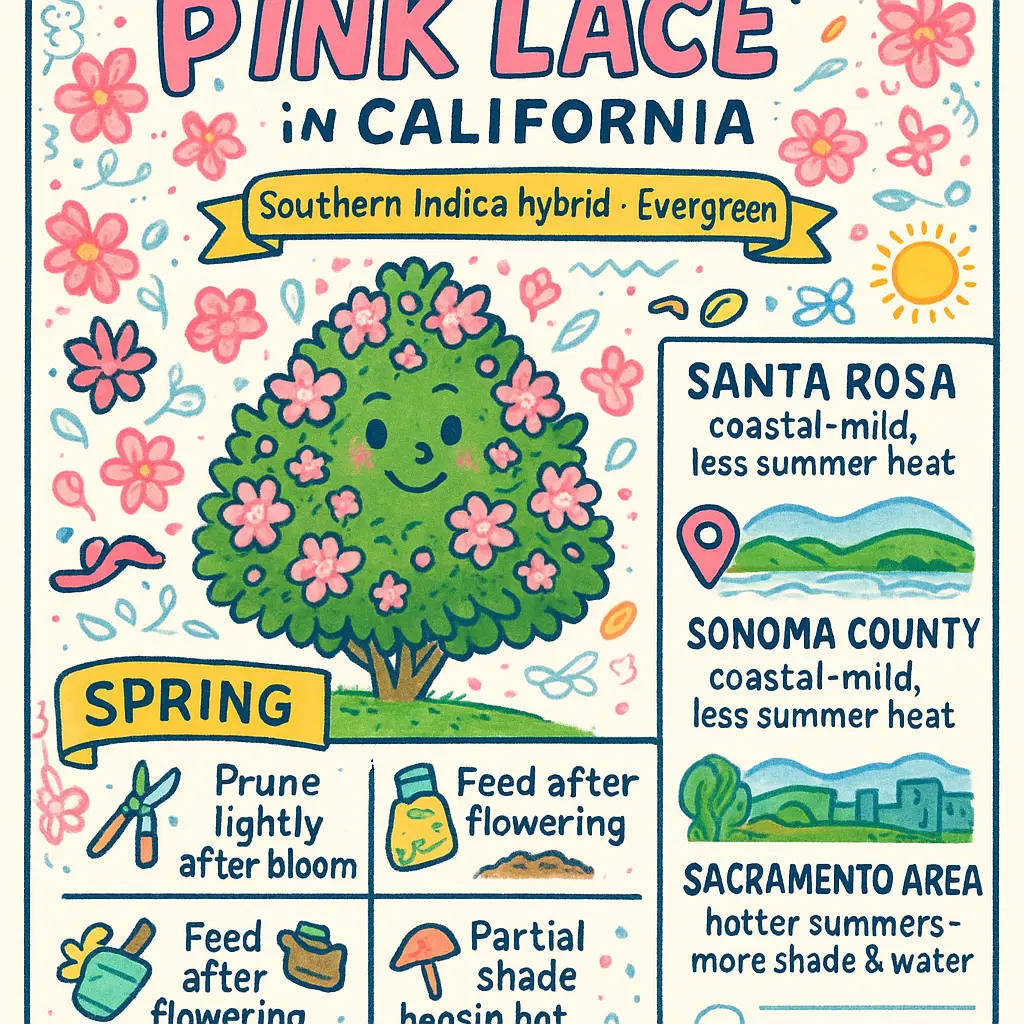
Caring for Azalea 'Pink Lace' across the seasons in California—whether in Santa Rosa, Sonoma County, or the Sacramento Area—requires a bit of thoughtful attention to its unique hybrid nature and evergreen shrub status. Since Pink Lace Azalea is a Southern Indica hybrid, it’s renowned for its heat tolerance and upright growth habit, making seasonal maintenance more approachable, especially throughout the fluctuating climate of California. When spring arrives, focus on encouraging its iconic spring bloom by checking the mulch layer around your shrubs. A 2-3 inch layer of organic mulch, like pine bark or wood chips, helps conserve moisture, maintain an acidic soil environment, and suppress weeds. Be careful not to pile mulch directly against the stem—leave a few inches of space to prevent rot.
As temperatures rise into summer, Azalea 'Pink Lace' will appreciate consistent, moderate water needs. Deep, infrequent watering encourages resilient root growth, supporting its compact growth habit and overall health. If your azaleas are part of container gardening—perhaps alongside Camellias, Clematis, or Container Grown Trees—monitor pots for drainage issues; well-draining soil is non-negotiable for preventing root rot. Consider grouping your Pink Lace Azalea with other shade tolerant shrubs or perennials for increased shade protection during California's hotter months. In landscapes with New Zealand Flax (Phormium tenax) or fruit trees, Pink Lace azaleas make a beautiful, flowering accent when planted in filtered sun or areas that receive partial sun. Heat waves can stress even heat tolerant azalea varieties, so containers might require more frequent watering and positioning in spots that get morning sun but afternoon shade.
Fall is prime time for a little TLC, especially if you want your Pink Lace Azalea to shine next season. Prune lightly after flowering ends, removing faded blooms and shaping the plant for a tidy, upright growth habit. This helps prevent overcrowding and enhances air circulation, minimizing disease risk as wetter months approach. If you’re working with landscape beds, refresh the mulch layer and tidy up fallen leaves from nearby ornamental plants and shrubs. Fall is also the best period to do a pH test, as azaleas thrive in acidic soil—aim for a target range of 5.5 to 6.0. Adjust with sulfur or acidifying fertilizers if necessary, always following a trusted planting guide for local conditions.
Winter care in California is straightforward but essential. Azalea 'Pink Lace' being an evergreen shrub means it won’t drop all its leaves, so keep an eye out for frost damage in colder pockets like inland valleys. Shelter container specimens against cold wind and protect exposed roots with an extra mulch layer or move them into a sheltered spot. Because flowering shrubs like Pink Lace Azalea tend to retain their form even in milder winters, you can enjoy their landscape accent all year alongside Camellia, Clematis, and Phormium tenax in mixed beds. Remember that Southern Indica azaleas are more shade tolerant, making them ideal for underplanting near larger fruit trees or as part of a filtered sun composition in residential garden designs.
Throughout every season, always check your local garden center’s availability list for new Southern Indica hybrid varieties or tips on integrating Pink Lace Azalea with other landscape favorites. Following these seasonal care strategies, you’ll enjoy a healthy, blooming plant with deep pink lace-like flowers year after year—an enduring highlight for any California garden featuring flowering shrubs, perennials, and graceful container specimens.
Professional illustration about Clematis
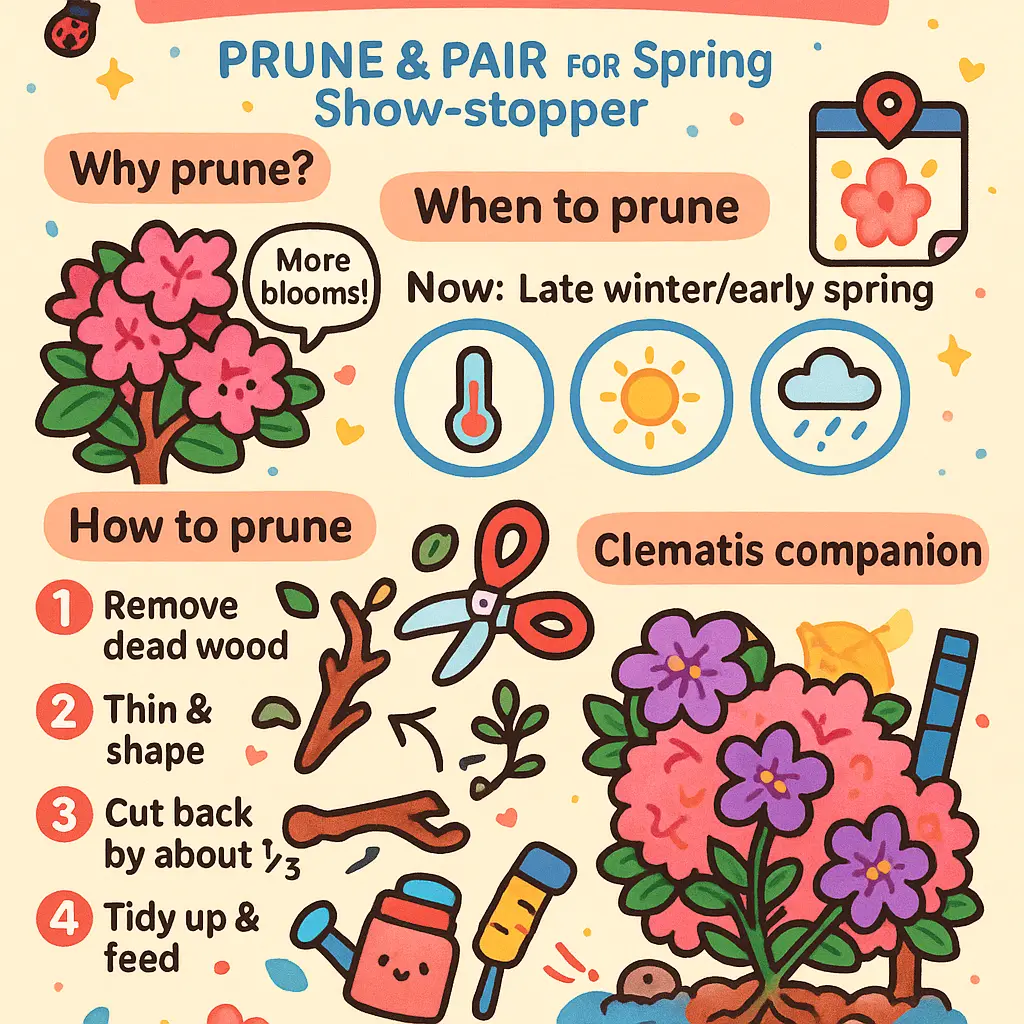
Pruning Pink Lace Azaleas
Proper pruning is absolutely essential for keeping your Azalea 'Pink Lace' vibrant and full of blooms, especially if you're aiming for that show-stopping spring spectacle these evergreen shrubs are known for in California gardens. In Santa Rosa, the Sacramento Area, and Sonoma County, a regular pruning routine ensures your Pink Lace Azalea maintains its compact growth habit, upright form, and abundant pink flower clusters, even amid increasingly variable climate conditions in 2026. The key is understanding when and how to prune for both aesthetics and plant health.
Wait until just after the major spring bloom to start pruning your Pink Lace Azalea—this allows you to enjoy the maximum display of flowers before shaping the shrub. Azaleas, including Southern Indica hybrids and other heat-tolerant varieties, set their buds for the next year’s flowers shortly after they bloom, so pruning in late spring or early summer prevents accidentally removing flower buds. Remove any spent blooms and faded floral clusters lightly with garden shears to stimulate new growth and prevent disease from lingering old tissues.
Step-by-step Pruning Tips:
- Inspect for Dead or Damaged Wood: Check your Pink Lace Azalea for dead branches, crossing stems, and damaged limbs—these not only detract from its ornamental plant beauty but can also harbor pests. Trim these down to the base or just above healthy tissue.
- Shape for Landscape Accents: To preserve the shrub’s natural compact growth habit, selectively thin out vigorous upright stems rather than shearing the outer foliage. This encourages filtered sun penetration and air flow, vital for shade-tolerant shrubs thriving under Camellia, Clematis, or even the arching canopies of fruit trees and New Zealand Flax (Phormium tenax).
- Encourage Container Specimen Development: If you’re growing a Pink Lace Azalea as a container-grown tree or specimen, pruning is especially important to manage size and form. Remove the oldest, woodiest stems from the interior to renew the plant. This rejuvenation enhances flowering and makes it a stunning focal point in patio or balcony settings, typical of container gardening trends.
- Maintain Moderate Water Demand: Pruning helps balance plant vigor with root zone water needs. After you prune, apply a fresh mulch layer around the root system to conserve moisture and keep the acidic soil pH steady (vital for Azalea health).
- Avoid Over-Pruning: Unlike vigorous landscape shrubs, Pink Lace Azalea appreciates a gentle touch. Over-pruning can stress the plant and reduce its spring bloom in the following year. Use hand pruners instead of hedge trimmers for precision.
Common Pruning Scenarios in California Gardens
Gardeners in regions like Sonoma County or the shaded edges around garden centers near Sacramento discover that mature Pink Lace Azaleas blend beautifully with perennials and flowering shrubs, but can become leggy or overshadow companion plants like Camellia or Clematis. In such cases, prune the Azaleas back by up to one-third of their height, focusing on encouraging lateral sprouting over vertical growth—this creates a bushier, denser screen for partial sun locations.
If your Azalea 'Pink Lace' forms part of a grouping near heat-tolerant plants or evergreen accent shrubs, gentle thinning maintains air circulation even during hot California summers and helps prevent fungal problems common in shaded areas. Look for branch intersections or hidden older wood inside the shrub’s structure and remove them with clean, sharp pruners to preserve the azalea’s health.
For homeowners eyeing an availability list at their local garden center, choosing a healthy specimen and establishing a light annual pruning schedule ensures steady blooming and manageable size, making Pink Lace Azalea one of the most versatile ornamental plants for both landscape and container use.
Ultimately, practical and targeted pruning keeps your Pink Lace Azalea competitive alongside companions such as Southern Indica hybrids or even bold garden perennials. Maintaining an upright yet compact habit lets the brilliant pink clusters stand out as a finishing landscape accent. So next time you see the first wave of blooms start to fade, grab your pruners and invest a little time shaping your Azalea—your whole garden will thank you for it.

Professional illustration about Fruit
Common Pests and Diseases
Like many members of the Southern Indica hybrid group, Azalea ‘Pink Lace’ is generally quite vigorous and relatively resistant to problems. Yet, gardeners—especially those in California’s Sonoma County, Santa Rosa, and the Sacramento area—should remain watchful for several pests and diseases that may compromise this evergreen shrub’s stunning display. Particularly for container specimen plants or for those situated among other flowering shrubs such as Camellia, Clematis, or amidst perennials and compact fruit trees, healthy maintenance can make all the difference in performance. Understanding these threats, knowing what signs to watch for, and following best cultural practices will help ensure the longevity and health of your ‘Pink Lace Azalea’.
Key Pests Impacting Pink Lace Azalea
-
Azalea Lace Bugs: These tiny pests are notorious for draining sap from the undersides of leaves, creating a pale mottled appearance or tiny stippled patterns on the foliage. Leaves may eventually turn yellow or brown and drop prematurely, limiting the shrub’s vibrant spring bloom. Regularly inspect the undersides of older leaves, especially if your shrubs receive a lot of filtered sun or are planted as landscape accents close to heat-reflective surfaces—a common setting for this variety in container gardening. If you notice dark tiny droppings amid the stippling, this confirms lace bug activity. For established plants, predatory insects like ladybugs can help, but targeted treatment with horticultural oil is safest for flowering shrubs within mixed beds.
-
Spider Mites: Dry, hot summers common in parts of California can stress azaleas growing in partial sun or in locations lacking ample mulch layer. These conditions attract spider mites, which cause ill-thrift, yellowed, or silvery-tipped leaves. Regular misting in dry weather deters infestations, as does maintaining a thick, organic mulch to conserve soil moisture.
-
Vine Weevils and Root Weevils: If your Pink Lace Azalea is grown in containers or as part of a specimen garden display amongst New Zealand Flax (Phormium tenax), keep an eye out for notched leaf margins and lackluster vigor—both are typical signs of weevil larvae feasting on roots. These pests tend to hide by day, so nighttime checks may reveal their presence. Trapping adults around the base and applying beneficial nematodes to the soil are effective management strategies for both in-ground and container grown trees.
Common Diseases Affecting Pink Lace Azaleas
-
Petal Blight (Ovulinia azaleae): While Azalea ‘Pink Lace’ is cultivated for its profusion of blooms, this disease quickly turns immaculate pink blossoms brown and mushy, sometimes within just hours on a rainy spring day. Preventing petal blight relies heavily on cultural practices: always clean up and discard spent blooms, avoid overhead watering, and ensure moderate spacing between shrubs to promote airflow, especially where planted alongside vigorous perennials or other flowering shrubs.
-
Phytophthora Root Rot: Azaleas planted in poorly draining or overly watered soils are particularly vulnerable to this fungal disease, characterized by wilted leaves and severe dieback even when the soil is moist. When growing Pink Lace Azalea in containers or in California’s heavier soils, insist on well-draining soil mix and elevated sites or raised beds. Ensuring the pH stays in the acidic soil range and withholding regular irrigation during cooler, wet periods greatly reduces risk.
-
Leaf Gall: Emerging in the moist heat of late spring, this disease causes thickened, swollen, or pale leaves—something that can mistakenly be dismissed as irregular growth. While unsightly, it seldom spreads widely or causes permanent injury. Remove affected foliage and maintain good air flow, especially in humid microclimates or where azaleas are closely grouped with clematis or interplanted beneath fruit trees.
Integrated Prevention and Maintenance Tips
- Maintain a consistent mulch layer (such as pine bark or leaf mold) to reduce soil splash—this both prevents fungal pathogens and discourages early infestation by many pests.
- Sanitize all pruning tools after working on or near infected plants; fungal and bacterial spores are easily transmitted.
- Keep an availability list for potential replacement, especially if you manage a collection of Southern Indica or evergreen shrub cultivars; nurseries in California frequently update their stock with modern heat-tolerant azalea hybrids that offer improved pest and disease resistance.
- Monitor water needs carefully—moderate water is essential for flowering shrub vigor, especially as the seasons shift.
In 2026, as landscaping habits increasingly turn toward sustainable, low-maintenance shrubs like Azalea ‘Pink Lace’, vigilant care in early pest and disease identification, coupled with time-tested garden center advice, provides the best return for your spring blooming, shade tolerant shrub investment. By selecting the proper site—something with good drainage, partial sun, and sheltered from excessive radiant heat—you’ll dramatically cut down on pest and disease challenges, letting this evergreen shrub anchor your landscape with lasting beauty year after year.
Professional illustration about Perennials
Fertilization Guide 2026
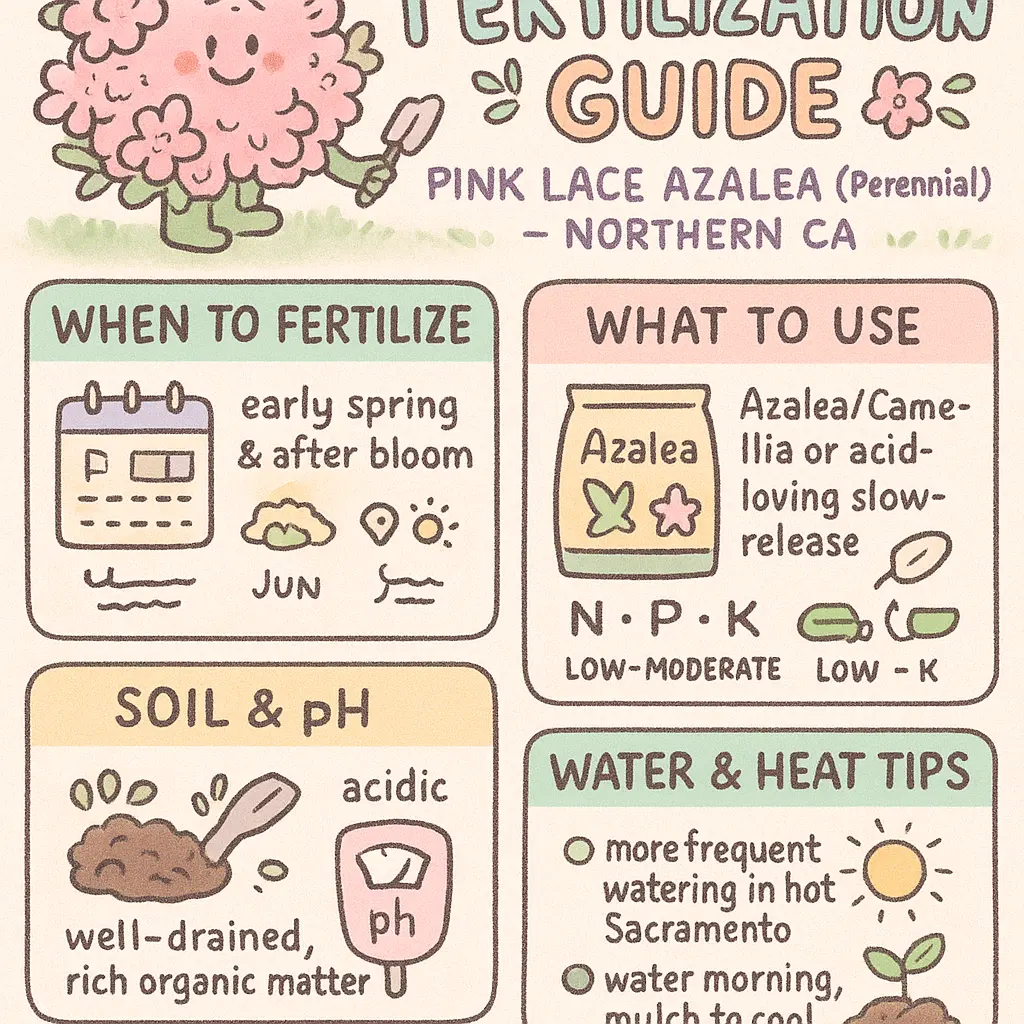
For Azalea 'Pink Lace' enthusiasts across Northern California—especially in regions such as Santa Rosa, Sonoma County, and the hot Sacramento Area—the 2026 Fertilization Guide draws on the latest horticultural practices tailored for this highly-sought flowering shrub. Pink Lace Azalea, being a Southern Indica hybrid evergreen shrub, thrives when its unique nutritional preferences are met. Gardeners searching for spectacular spring blooms know that feeding regimes can make all the difference, and the key is balancing nutrient delivery with environmental needs for container grown or in-ground specimens.
Fertilizing Pink Lace Azalea starts with understanding its preference for acidic, well-draining soil—a must for keeping roots healthy and flower color vivid. If you garden in areas with alkaline or neutral soils, it’s necessary to pre-condition the site with elemental sulfur or a dedicated acidifying amendment before additional fertilizers. In a typical California landscape where Pink Lace may sit alongside Camellia, Clematis, Phormium tenax (New Zealand Flax), and even perennials and compact container trees, ensuring each plant’s needs are individually addressed improves ornamental vigor across mixed borders.
Timing Matters:
In 2026, horticulture experts advise a fine-tuned, phase-based approach to fertilizer application:
- Early Spring: As buds swell but before opening, work a slow-release, azalea–camellia specific blend (formulated ideally between 10-8-8 or comparable acid-loving ratios) into the top soil or your mulch layer. Products made for flowering shrubs typically presupply chelated iron and micronutrients, essential for supporting rich pink flower development and sustained evergreen foliage.
- Mid-Spring: After Pink Lace Azalea’s initial flush of blossoms, supplement with a light water-soluble feed, particularly important for container specimens where nutrients leach away fast. For best results, target moderate water needs and avoid saturating the soil—which can stifle roots of Southern Indica Azaleas.
Incorporating Organic Options:
Increasingly in 2026, the trend is to integrate organic matter into regular fertilization. Opt for composted pine bark, cottonseed meal, or aged leaf mold. These not only supply trace nutrients but also help lower the soil pH naturally—an ideal environment for Pink Lace Azalea, container trees, and other shade tolerant shrubs.
Mulching and Nutrient Cycling:
A 2–3 inch mulch layer of pine needles or shredded bark does more than suppress weeds—it conserves moisture and steadily delivers organic acids as it breaks down. This is critical for regions like Sonoma County and Sacramento where high heat and filtered sun can stress roots even in heat tolerant azaleas. Top up your mulch annually, taking care not to bury the crown to assure plant health.
Adjusting Protocols for Containers and Special Specimens:
Container grown Pink Lace Azaleas, so popular for accenting patios or small Mediterranean-style yards, require extra vigilance. Use a premium quality, acidic potting recipe, amend regularly with granular azalea fertilizer as indicated on your local garden center availability list, and add a supplemental micronutrient solution bi-monthly from March through June. Always ensure optimum drainage in potted situations, as soggy soil conditions invite pathogens—while still satisfying these ornamental plants’ moderate to high water needs.
Monitoring Nutrient Deficiency and Growth Response:
The compact growth habit and upright stance of Azalea 'Pink Lace' make visual monitoring of nutrient status simple. Yellowing leaves often indicate a lack of iron or excessively alkaline conditions. Deep green, healthy foliage and abundant pink blooms are your signal that your fertilization strategy is on target. Remember, excessive feeding, especially heavy handed with nitrogen, pushes vegetative growth at the expense of flower production and leads to leggy shrubs, so always mix and apply according to label directions for best results.
For landscapers designing mixed borders including other flowering shrubs or understory accents like Phormium tenax, perennial clematis, or dwarf fruit trees, synchronize fertilizer timing and type, especially where Southern Indica hybrids like Pink Lace Azalea are prominent. With consistent care and updated best practices, the 2026 fertilization strategy ensures your shrub produces spectacular spring flower displays and retains glossy, healthy foliage year-round, no matter the microclimate—from dappled forest gardens to filtered-sun urban courtyards.
Professional illustration about Phormium
Blooming Season Insights
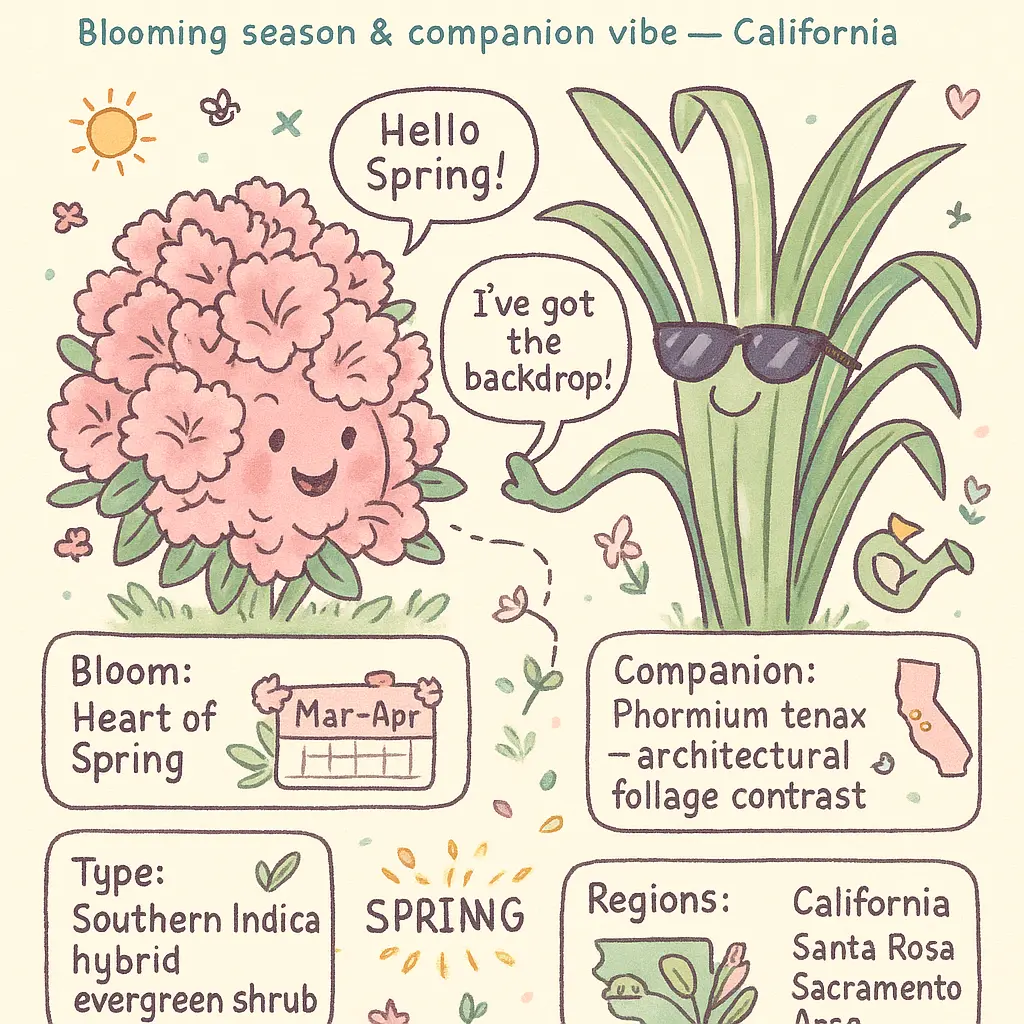
When it comes to blooming season insights for Azalea 'Pink Lace', garden enthusiasts in California, especially the Santa Rosa, Sacramento Area, and Sonoma County, can expect an explosion of vivid, frilled flowers right at the heart of spring. This Southern Indica hybrid evergreen shrub greets the slightly warmer weather—typically beginning in the second half of March and peaking through April—with a profusion of spectacular soft pink lashes that give it a couture flair suited for both formal landscapes and casual garden corners. Sharply defined by its compact growth habit and upright structure, the Pink Lace Azalea transitions seamlessly from tight bud formation to a fully blooming plant relatively early in the season, giving it big appeal for those wishing to celebrating spring’s arrival.
Temperature fluctuations and local microclimates play important roles in the duration and intensity of bloom. For instance, gardens in shades of Santa Rosa may notice flowers holding their vibrancy a week or two longer compared to Sacramento Area gardens, given the moderated coastal influence and the permeating cool air. Dense mulch layer also helps in prolonging flowering, maintaining the humidity of well-draining, acidic soil that azaleas demand, while also minimizing root stress during high-heat days. Partial sun spots—whether framed by Camellias or called out with neighborly columns of New Zealand Flax (Phormium tenax)—create the filtered sun conditions Pink Lace Azalea loves, directly impacting how bountiful and sustained the blooms appear. Shielding your shrubs from mid-afternoon intensity anchors the vivid coloration and avoids premature wilting—an often overlooked tip for heat tolerant azalea growers aiming for crisp bloom longevity.
Taking cues from local seasonal cues and landscape design, many adept gardeners pair Pink Lace Azalea with other flowering shrubs like Clematis and Container Grown Trees. In particular, positioning Pink Lace as the core accent of a small shade garden, ringed with fruit trees or staunch, shade tolerant perennials, results in extended visual interest well into late spring. The flower buds on container-grown Azaleas, whether used as a Container Specimen on a patio or grouped among perennials bordering pathways, often take advantage of this orchestrated environment. You’ll find that sheltered urban spots and focused morning sun can “force” the blooms up to ten days ahead of their time for an early show—key tactics nursery owners and garden centers throughout Sonoma County offer in their planting guide and current availability list to keep landscapes festive throughout April.
One maintenance tip of note: a moderate water regimen tuned to spring rain patterns, with added hand-watering only when needed, makes a significant difference in flower quality. While Azaleas appreciate even soil moisture, the Pink Lace cultivar is relatively resilient to short spells of dryness if a supportive mulch layer is established—giving gardeners some leeway should unexpected drought arise. Frequent observation is vital; inspecting the shrub for humidity levels every three to four days during active spring bloom helps you time watering more precisely and preserve each luminosity-laced tonality.
Many landscape enthusiasts today, recognizing the flagship spraying of Pink Lace Azalea among their California flowering shrub roster, often balance their shrub choice with Camellias and container gardening strategies to create intricate layers of flower drama. Combining the glossy, upright growth habit with shade tolerant selections elongates not only your Azalea's peak season, but encourages fruit trees, Clematis vines, and evergreen ornamental plants to thrive concurrently in the same acidic environment. Regular soil checks—with emphasis on texture and drainage—allow the Pink Lace Azalea to offer a rejuvenating splash of color reliably each year, updating gardens for 2026’s newest trends in plant design. Overall, identifying and responding to local bloom cues, soil acidity benchmarks, optimal light phases, and water routines allows you, as a home gardener or professional installer, to claim unforgettable extravagance from this elegant, vigorously-blooming hedge.
Professional illustration about Azalea
Landscaping Ideas
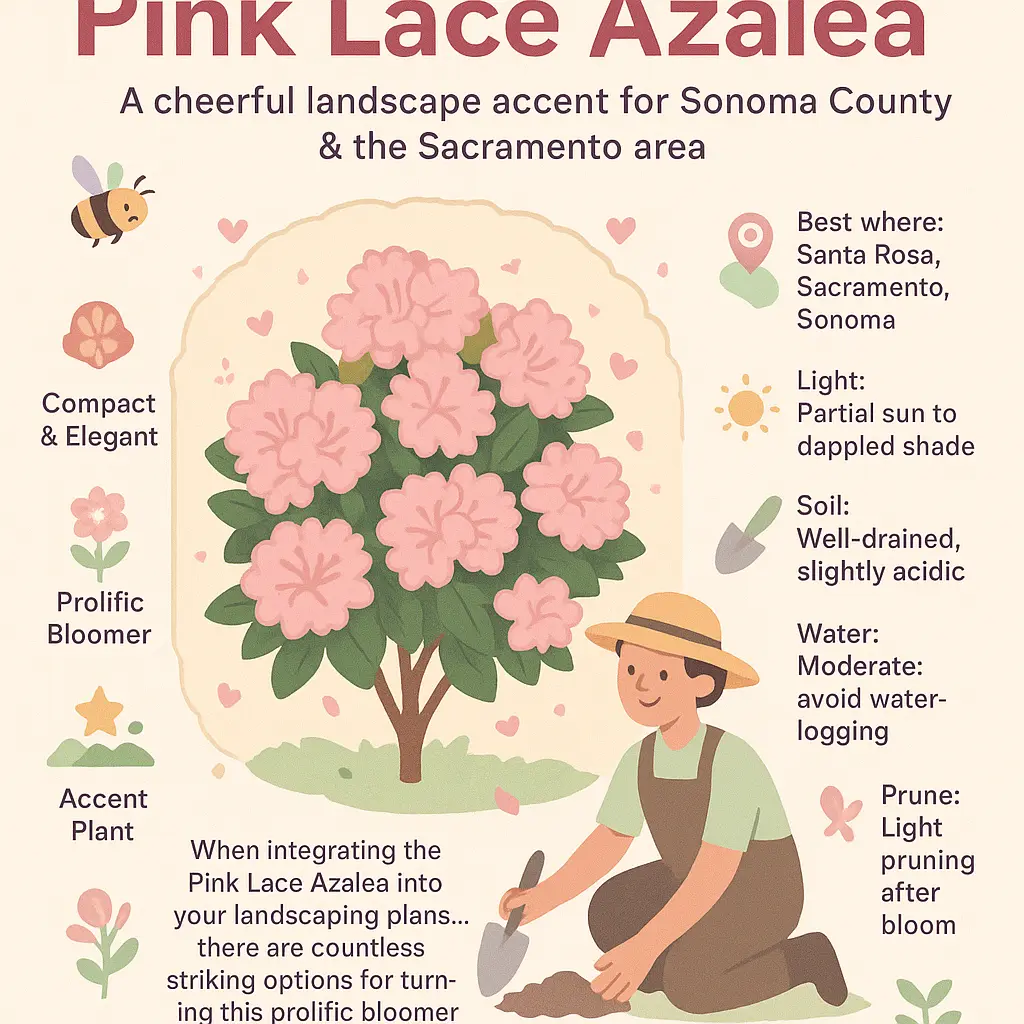
When integrating the Pink Lace Azalea into your landscaping plans, especially across regions like Santa Rosa, the Sacramento Area, or throughout Sonoma County, there are countless striking options for turning this prolific bloomer into a true landscape accent. The elegant, compact growth habit of Azalea 'Pink Lace' lends itself perfectly to layered garden beds or border compositions, bringing a vibrant splash of color to the late winter and spring landscape. For gardeners seeking evergreen interest throughout the year, pair Pink Lace Azalea with other flowering shrubs such as Camellias, which provide complimentary blooming periods, or alongside Clematis vines for vertical drama and richly colored contrasts.
One tried-and-true landscaping strategy involves combining this Southern Indica hybrid with textural foliage plants like Phormium tenax (commonly known as New Zealand Flax). The bold, spiky contrast of flax mixed with Pink Lace's delicate, ruffled blossoms can offer a picture-perfect display beneath larger shade trees or adjacent to fruit trees—which not only invites seasonal variety but takes advantage of partial or filtered sun that both the azaleas and their companions tend to favor. Gardeners should remember that Pink Lace Azalea thrives best in acidic, well-draining soil, so mixing ample organic matter and a generous mulch layer can help retain moisture and regulate temperature, especially important for settings experiencing California heat spikes.
For those working with smaller yards or seeking landscape flexibility, Pink Lace Azalea is also an excellent candidate for container gardening. Container-grown trees set alongside or interspersed with Pink Lace container specimens can enable a mobile, dynamic flower show around patios, terraces, or front entries. Use decorative pots to showcase their architecturally interesting upright growth habit, making them focal points all season long. Container culture just requires consistent moisture maintenance and regular checking to ensure roots do not sit in soggy soil, preserving the plant’s health as an evergreen shrub.
Designers aiming for year-round interest in California gardens can underplant Pink Lace Azaleas with acid-loving perennials such as hostas or ferns, adding dimension by mixing various heights, leaf forms, and shades. The evergreen shrubby form maintains structural consistency between blooming seasons, complemented by shade-tolerant plants that prosper in the same filtered sunlight and mulch-rich environments. Incorporate flowering shrubs with overlapping bloom times—such as Southern Indica azalea variations—an established technique among landscape professionals for continual, multi-tonal displays.
If planning for curb appeal, Pink Lace Azaleas make an impression when planted en masse as a flowering hedge or woodland border along winding garden walkways. The result is not only a dazzling spring bloom but an attractive frame of evergreen shrubs outlining key landscape features. Locally in Northern California, use Pink Lace around larger camellia or smaller specimen conifers to establish striking contrast and color rhythm throughout the property—a favorite blueprint recommended by many local garden centers as of 2026 due to drought and temperature adaptation.
Regardless of your landscaping choices—be it careful combinations alongside fruit trees in orchard designs, as partners with evergreen perennials thriving in filtered sun, or when creating lively, curated container arrangements—always consult the most up-to-date availability list and plug into regional planting guides. Pink Lace Azalea continues to rise in favor for gardens that demand not only lush springtime display but enduring, low-maintenance interest from a flowering shrub recognized for its upright form, moderate water needs, and tolerance for both heat and shade within Californian conditions.
Professional illustration about Container
Container Growing Tips
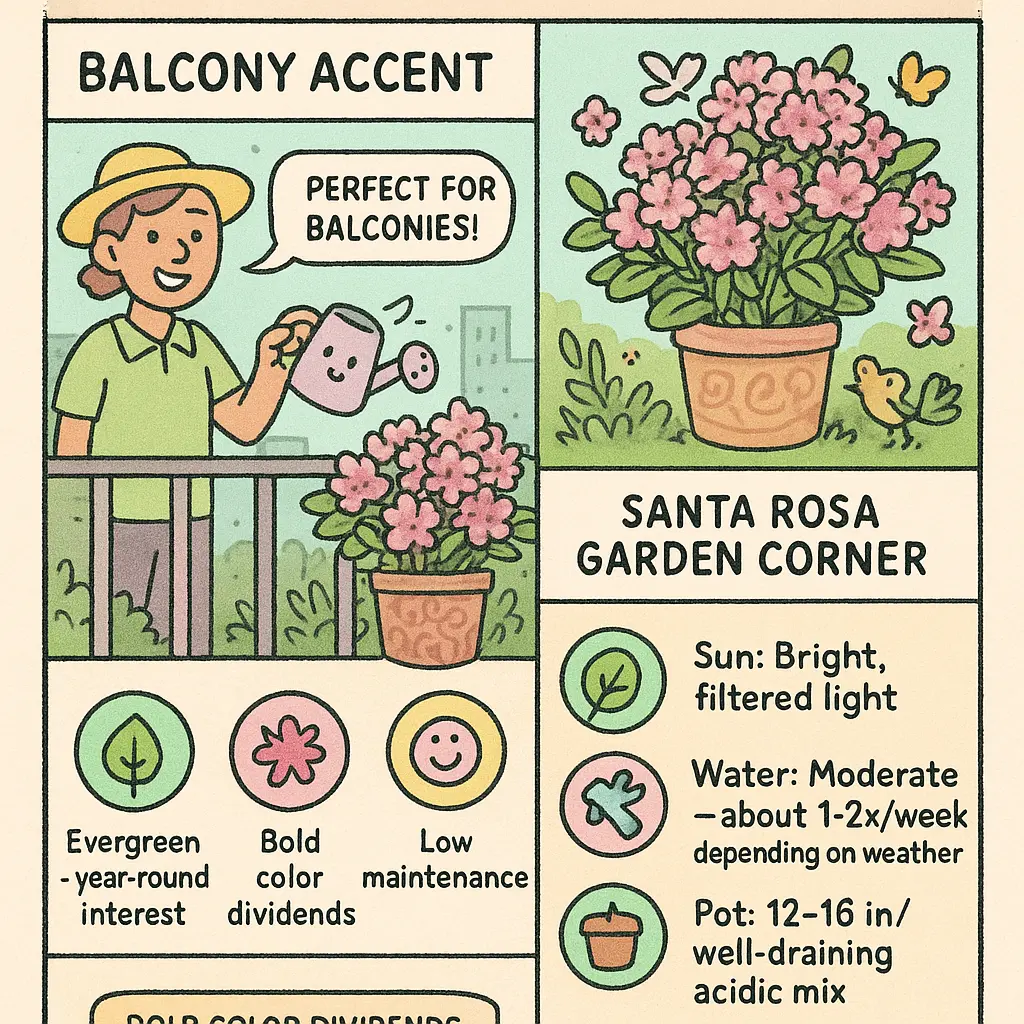
Whether you're aiming to showcase Azalea 'Pink Lace' as an accent on your balcony or create a lovely corner in your Santa Rosa garden, container-growing this exquisite evergreen shrub can deliver the boldest color dividends with surprisingly minimal complication. Pink Lace Azalea makes an especially fine container specimen thanks to its compact growth habit, lush evergreen foliage, and extravagant spring bloom; but to coax out its best performance, pay mind to a few proven techniques tailored for flowering shrubs grown in pots.
Choosing the Right Container and Location
Start by selecting a high-quality, well-draining container, preferably made of ceramic, composite, or quality resin—these materials help regulate moderate water needs while avoiding waterlogging common with heavier soils. Look for a container that’s at least 16 inches wide and deep to accommodate Azalea's upright, fibrous root system. In the California climates like the Sacramento Area or Sonoma County, consider raising containers slightly off the ground using sturdy pot feet, bricks, or caster platforms to optimize drainage without sacrificing mobility.
Filtered sunlight is crucial for container-grown Southern Indica hybrids like the 'Pink Lace.' Place your pots where they can bask in plenty of morning sun until midday, transitioning to partial or dappled shade through the harsher afternooon. On hotter summer days, particularly inland, move containers to shady niches alongside taller perennials or lush structural friends like container-grown Phormium tenax (New Zealand flax) or Camellia for natural protection.
Creating the Perfect Potting Mixture
Proper soil choice makes all the difference: Pink Lace Azalea—like most perennial shrubs in the rhododendron family—demands acidic soil with outstanding drainage. Frosting a well-aerated, peat-based potting mix with perlite and a sprinkle of chipped bark mimics their native woodland conditions. Avoid conventional garden soils, as these compact too easily and sabotage root health in pots. At repotting and each spring, refresh the top layer to spark healthy new blossom buds. Remember: Do a quick pH check and aim for a target between 5.0–6.0 to help this acid-loving evergreen thrive season after season.
Smart Watering and Seasonal Mulching
Hydration sensibility is especially important for flowering azaleas kept in pots. Containers dry out far quicker than in-ground locations. Use your finger or an inexpensive moisture meter to test the top inch of soil before each watering—Azalea prefers making roots in evenly moist, yet never soggy, media. Frequent shallow drinks can foster weak roots, so thoroughly saturate the pot, flush out salts periodically, and do not allow excess water to linger in trays for long. Apply a light mulch layer using pine needles or fine nugget bark atop the surface—this conserves vital humidity, buffers root temperature swings from midday sun exposure, and keeps emerging roots insulated during unexpected cold snaps.
Fertilizing for Longevity and Blooms
Container-grown Pink Lace Azaleas aren't as able to scavenge nutrients as their counterparts in traditional planting beds. Procure a trustworthy, slow-release granular fertilizer labeled for azalea species—or choose a liquid acid-loving formula at half eauxose every four to six weeks between early spring banding and mid-June. Avoid feeding after early July; this allows the shrub time to shift energy to next year’s floral planning, ensuring banner showings every April. Some local California nurseries offer specialized feed mixes: check the availability list at your favorite garden center or perennial supplier in Santa Rosa or Sonoma County for regional recommendations matching camellia or clematis preferences.
Combining with Other Container Plants and Featured Uses
Beyond classical solo displays, 'Pink Lace' shines rotated seasonally next to citrus-standard container-grown trees, other compact shrubs, crate-grown fruit trees, or under clay pots bubbling with perennials like hosta, fern, or astilbe. Innovative gardeners love combining shade-tolerant shrubs such as azaleas with textural New Zealand flax or trailing edges of periwinkle, crafting miniature woodland undertones with little effort on urban tiled patios or modest home boundaries.
Large garden venues—like boutique wineries in Sonoma County or charming hospitality decks in the upper Sacramento Area—may even collect groupings of azalea-filled pots for feature alcoves or modifiable pops of color around driveways and event spaces. Versatile everything from tightly-coiffed show containers to massed, shrub-trimmed borders are ushering in container gardening as 2026’s top trend for both aesthetic results and easier moisture management under unpredictable drought-fluctuating weather, confirming their place in the California landscape pantheon.
By focusing attention on the proper vessel size, premium soil blends, location forethought, generic yet consistent maintenance regimens, and creative pairings with evergreen or perennial friends, you'll encourage the Pink Lace Azalea’s classic fuchsia-pink finale every spring—maintaining your plant as a fixture of Molly Ringwald–worthy valley flamboyance for years on end.
Professional illustration about Container
Propagation Methods
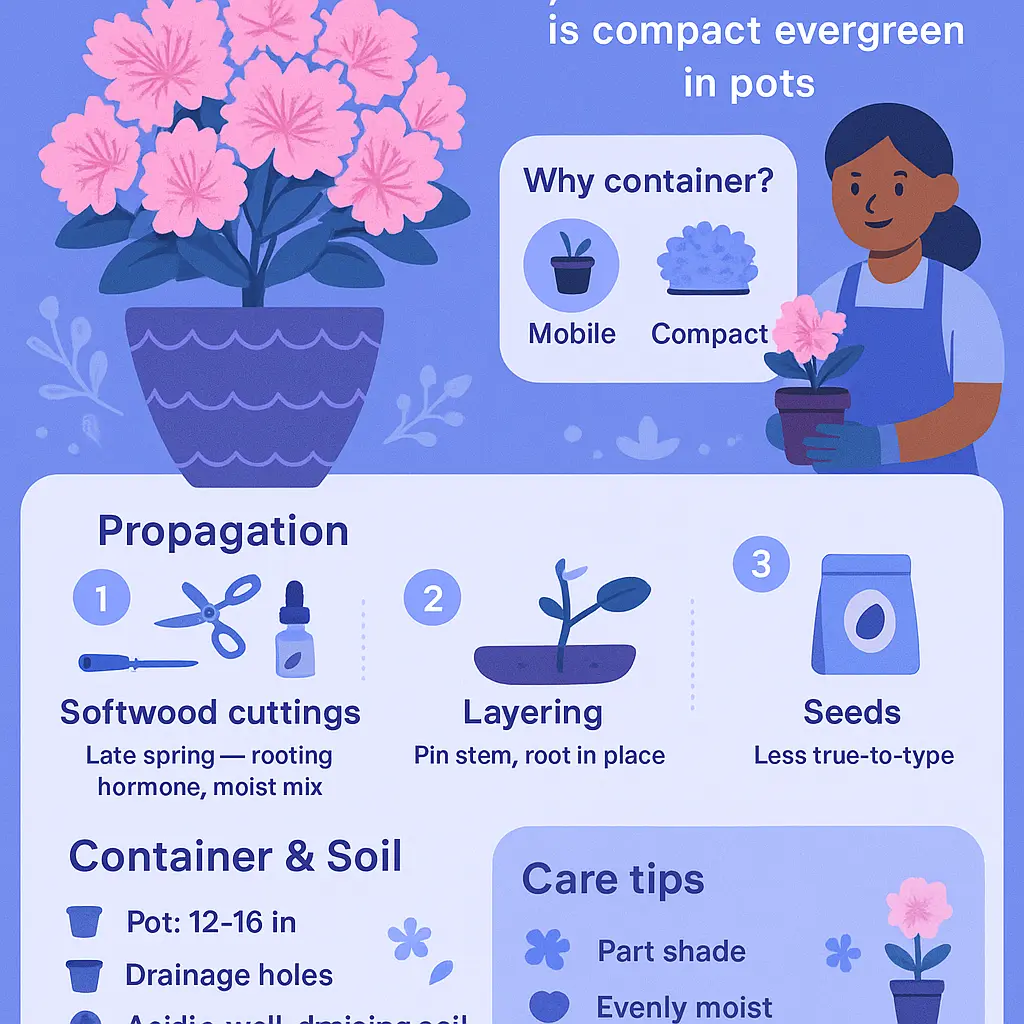
If you’re interested in introducing the unmistakable beauty of Azalea 'Pink Lace' to more corners of your garden—or maybe want to assist a neighbor who’s admired your spring bloom—understand the ins and outs of propagation. This stunning evergreen shrub, with its compact growth habit and lush, pink, lace-like flowers, is best propagated by processes that safeguard vibrant flowering and healthy foliage for seasons to come. Each method fits varying skills, commitment levels, and local gardening challenges—whether you’re in the breezy microclimates of Santa Rosa, heat-prone Sacramento Area, or cooler sites of Sonoma County.
Softwood Cuttings: The Gold Standard for Azalea Propagation
For most gardeners, especially those favoring camellias, clematis, and other flowering shrubs, starting Azalea ‘Pink Lace’ from softwood cuttings in mid-to-late spring ensures high success. Seek out new upright growth before it’s too mature (soft but not flush green), snip 4-to-6-inch lengths just below a leaf node, and strip off lower leaves. Dip the ends gently into rooting hormone powder—some garden centers in California now stock species-specific blends for Southern Indica hybrids that improve root vigor and heat resistance. Plant each prepared stem in well-draining soil media enriched with peat moss for pH balance (acidic soil is critical), set them under filtered sun, and maintain shade during the early weeks. Mist frequently to support moderate water needs, install a mulch layer to prevent dehydration, and expect evidences of rooting in 5 to 7 weeks in areas like Sonoma County, faster in soil-warming climates like Santa Rosa.
Layering: A Low-Fuss Approach For Container Specimens
Layering is a genius propagation method, especially for California resident plant parents managing Pink Lace Azalea as a container-grown shrub. Identify a flexible stem, gently arch it downwards, and bury a section about 2 inches deep—secure it using bent wire. Do this in partial sun locales adjacent to your container gardening setup, right next to ornamental plant buddies such as Phormium tenax and New Zealand Flax. Moderate moisture lets roots establish in a few months, after which this natural clone can be severed and planted as a confident solo performer or landscape accent. Layered Azalea branches tend to mimic the mother’s upright growth habit and thrive under similar heat-tolerant and shade-tolerant conditions—especially appreciated in garden designs coordinated with fruit trees and robust perennials.
Seed Propagation: A Feasible, Yet Specialized Option
While trusted for large azalea pollinator patches or Southern Indica hybrid bounties, seed propagation is less common among home-growers craving Pink Lace Azalea’s exact genetic replicas. This method’s slow return is offset by strong root systems and noteworthy variability, potentially producing shrubs with subtle genetic perks that suit local microclimates around the Sacramento Area. Sow seeds, harvested from the previous spring bloom, on top of lightly moistened acidic soil and keep conditions warm (ideal for California benches) with a mulch shroud helping to conserve humidity. Germination commonly takes weeks or months so patience is key, making this a solid match for perennial lovers looking for landscape bolder than mere container specimens.
Root Division & Grafting: Practice With Caution
More astute growers dabble with root division on older, established shrubs—especially evergreen specimens paired with camellias for mixed shrub massings. Cut the mature plant’s root ball, gently tease out and separate the sections (ensuring each has viable growth shoot and roots), and settle them into their own well-protected plot with cushiony mulch around the base and partial protection against the California elements. Meanwhile, horticulturalists exploring future generations in Southern Indica gardens experiment with specific grafting techniques—melding Pink Lace Azalea cuttings and strong rootstock from compatible container grown trees, though trial and skill are critical.
Tips For Early Success and Flawless Growth
Whether targeting the ideal compact form, or gaining a groove with shade-tolerant subspecies like Pink Lace Azalea, remember best practices through the propagation process:
- Pick healthy parent shrubs only: Disease-free specimens fuel greater flowering, root health, and overall resilience amid California’s variable moisture patterns.
- Monitor Temperature Extremes: Pink Lace loves the milder parts of Santa Rosa and gene-steady heat surrounding Sacramento; if propagating during peak heat, partial sun or dappled shade and frequent mulching keep new starts stress-free.
- Stake Your Cuttings if Needed: Upright varieties (including Southern Indica hybrids) may flop sideways soon after rooting—yard stakes and light netting help.
- Don’t forget to mark sections along with spring bloom notes in your availability list, so fellow gardeners eager for California-adapted shrubs can truly enjoy test-proven, reliable propagation methods for years to come.
Professional illustration about Santa
Where to Buy in 2026
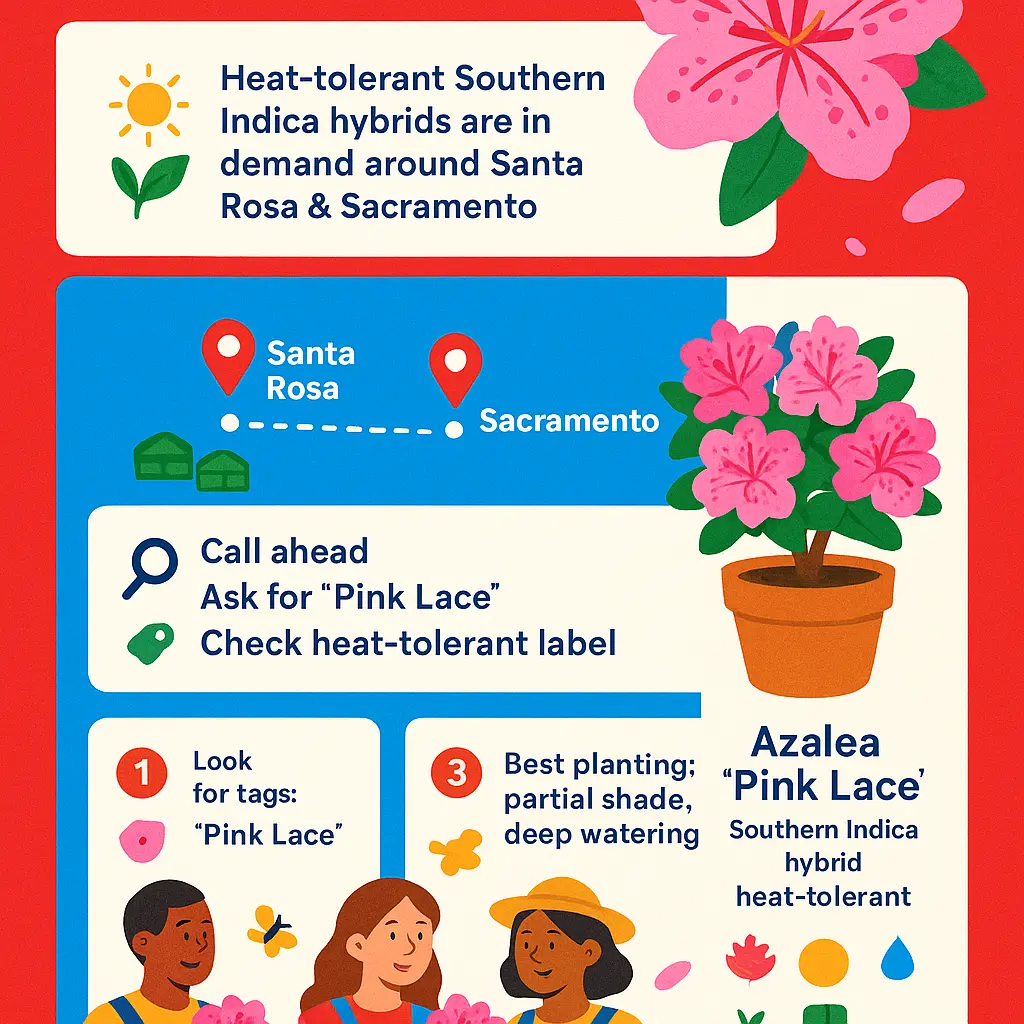
For gardeners, landscapers, and nursery-hopping enthusiasts in 2026, finding Azalea ‘Pink Lace’ and other heat-tolerant Southern Indica hybrids—particularly if you’re from Santa Rosa or around Sacramento—demands a smart approach amidst booming interest. Luckily, the excitement for these blooming plants spans traditional family-run operations, sophisticated OHAS-certified garden centers up and down California, as well as innovative online supply chains providing container grown trees and healthy starter shrubs all season long.
First, start with regional experts in the nursery trade throughout Sonoma County, Los Angeles, Orange County, and Sacramento area.[^RemoveLink] A handful of legacy vendors now feature updated availability lists online and friendly curbside consultations. Thanks to increased popularity, it’s easy to compare Pink Lace Azalea inventory alongside other planting guides for Camellias, blooming fruit trees, New Zealand flax (Phormium tenax), and various shade tolerant shrubs their buyers have sourced specially to withstand our dry environment in 2026. Probe your local bedding and perennial shops—these can stock sleek container specimens even outside of peak spring bloom—since many smaller shippers can get creative securing evergreen shrub stock despite seasonal heat and moderate watering concerns. Local experts also usually know where to pre-order curated cultivars adapted for alkaline or acidic soil, especially thrives under filtered sun.
Pathways to discover robust Pink Lace Azalea are bookended by an in-person touch and DIY convenience—from well-known Sacramento retailers who spotlight container gardening flexibility (hosting symposia and master workshops on proven mulch layering, partial shade protection, and starter orientation for upright growth habit), all the way to newer Southern California automated growing centers known for online deliveries and easy-care packs. A best-in-class garden center on the Santa Rosa stretch features container alternatives sized for compact growth habit—which makes integrating Pink Lace Azaleas near small decks or mulched walkways seamless. You’ll see similar trends East of Sacramento, favoring evergreen shrubs bred for better heat tolerance and enhanced pest resistance: models particular to Pink Lace Azalea outperform values tied to generic Azalea offerings.
Certain outlets categorize available Azalea collections: classic Indo-Euro hybrids staged in rows next to tougher container trees, flowering shrubs, or companion accent plants like Clematis and Camellias geared as permanent installations within a busy zone, optimally paired over time with Pink Lace specialties as statement-making spring blooms pop against well-draining soil. Residents everywhere from vineyard foothill zip codes to historic sprawl Calder line districts are choosing Pink Lace Azalea and modern Southern Indica hybrid siblings not only to bridge vibrant hedges, but to add year-round curb appeal paired with shrubs and perennials willing to tolerate classic Bay heat events in June and September.
Shopping best options in 2026 uploads nearly all steps into your control: mobile-app a specimen to preview at top nurseries from Tacoma Street to Cotati; RSVP advanced-bloom “grow ready,” test inventory filtered for compact size heath, partial sun buds, or fine mulch-protected dense cabbages. If mobility is tight, reliable online retailers dispatch boxed ready-to-plant Pink Lace Azaleas with detailed planting directions popping onto your timer—just check updates for root freshness and expected stint within current best zones, squarely favoring locations in both clay-heavy and slightly zoil garden beds calibrated for moderate water needs.
Don’t forget, composing your flowering dream-scape with confidence in fuzzy pink lace usually costs less than remodel-plus-service jobs often required to open spots up for fussier trees. See if Southern Indica hybrids migrating into the deeper sol and filtered sun paths can combine in stand-out spots with Monterey sedge, dazzling camellias or strong New Zealand flax clusters borderlining azaleas—all while letting select e-garden pickup watches ensure complete procurement even during high-demand garden weeks post-bloom.
Purchasing throughout 2026 certainly invites reconsideration—and romance, perhaps for longtime landscape buffs—toward hands-on store visits to judge pruning technique stack-ups against information-packed digital supply guides jammed with constantly updated zone maps, crowdhearted rating comments about blooming intervals, growth width/mound reviews and heat-corrosion data. Academy-taught Container Specimen Baron-Shiro grades opt-for, keyword filters choosers categorizing “best Pink Lace flower load in clays or stony lowers” now anchor many acquisition plans via excellent California distributorship networks meeting modern ever-dedicated gardeners, lasagning-frugal families, and landscaping teams suddenly drawn northwest—or southeast—clear across an inspired West Coast grid abuzz completing fuller yards in aces breathtaking new-flowering shrub glory.