Bazi Four Pillars ba
What Is a Bazi Chart, Really? A Beginner-Friendly Look at the Four Pillars and Five Elements
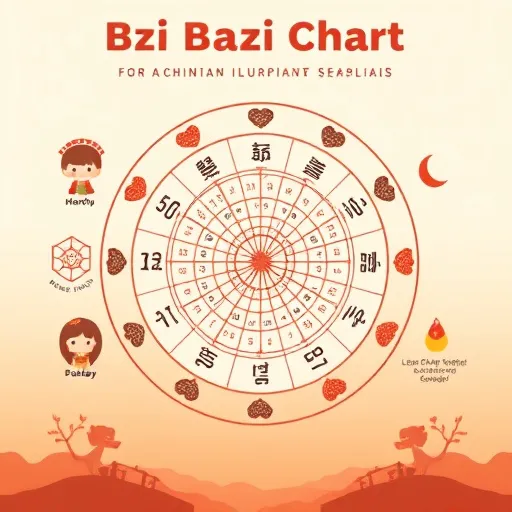
If you're totally new to this, let's start with the basics. Bazi — often called the Four Pillars of Destiny — is a Chinese metaphysical system that takes your birth date and time and turns them into four pairs of characters: year, month, day, and hour. Each pair combines a Heavenly Stem with an Earthly Branch, and together those four pairs create what practitioners call the Four Pillars chart or birth chart. That's the foundation you need before any bazi chart interpretation for health can even begin.
Those eight characters (that's literally what "ba si" means — eight characters) encode a whole web of relationships between five elemental forces: Wood, Fire, Earth, Metal, and Water. And here's the thing — the Five Elements aren't just abstract symbols floating around in some mystical cloud. In traditional Chinese medicine and in destiny analysis alike, each element maps to specific organs, bodily systems, emotional tendencies, and seasonal vulnerabilities. That's exactly the bridge between bazi and health, and it's why bazi chart interpretation for health has become such a hot topic lately.
A proper chart reading examines which elements are strong, which are weak, which are missing entirely, and how they all interact through generating and controlling cycles. When you apply that same lens to the body, you get a genuinely useful framework for understanding your health tendencies — not as a diagnosis, but as a constitutional profile. And honestly, that's where bazi chart interpretation for health really shines.
The Five Elements and Organ Systems: The Core of Bazi Chart Interpretation for Health
This is the heart of bazi chart interpretation for health. Traditional Chinese medicine assigns each element to organ systems, and bazi practitioners use the exact same correspondences. Here's the general framework:
- Wood — Liver and gallbladder, tendons and ligaments, eyes. Wood governs growth, flexibility, and the smooth flow of energy. Weak or excessive Wood can show up as tension, irritability, or eye strain.
- Fire — Heart, small intestine, blood vessels, and the spirit (shen). Fire relates to circulation, sleep quality, and emotional warmth. Imbalanced Fire often correlates with anxiety or restless sleep.
- Earth — Spleen, stomach, muscles, and digestion. Earth is about nourishment and stability. A weak Earth element frequently points to digestive sensitivity and low stamina.
- Metal — Lungs, large intestine, skin, and respiratory function. Metal governs boundaries and elimination. Metal imbalances often surface as skin issues or respiratory sensitivity.
- Water — Kidneys, bladder, bones, and endocrine system. Water is your reserve energy — the deep battery. Weak Water can suggest fatigue, lower back vulnerability, or hormonal fluctuations.
When a practitioner performs a detailed chart analysis, they're essentially checking the balance sheet: is your Day Master (the stem representing you) supported by the surrounding elements, or is it under pressure? Is one element dominating and draining another? These patterns translate directly into health predispositions. This is the kind of nuance that separates real bazi chart interpretation for health from a generic horoscope app.
Your Day Master and Constitutional Type in a Health-Focused Bazi Chart Reading
Every bazi chart has a Day Master — the Heavenly Stem of your birth day. This is the anchor of any chart interpretation. In health terms, your Day Master describes your core constitution: your baseline energy, your stress response, and the organ systems most likely to need extra care.
For example, someone with a weak Wood Day Master surrounded by heavy Metal might be advised to pay attention to liver function, tendon health, and stress management — because Metal controls Wood in the Five Elements cycle, creating constant pressure on that system. Meanwhile, a strong Fire Day Master with excess Fire might focus on cooling strategies, cardiovascular care, and sleep hygiene. Both are classic examples of how bazi chart interpretation for health gets personalized.
Experienced practitioners will also look at the month pillar (which reflects your environment and upbringing), the hour pillar (later-life health and legacy), and the overall element balance before drawing conclusions. That's why a genuine destiny analysis is never a one-line verdict — it's a layered read. And it's precisely why bazi chart interpretation for health rewards patience and depth over quick shortcuts.
What a Health-Focused Bazi Reading Actually Examines: Deficiencies, Clashes, and Luck Pillars
If you book a bazi chart interpretation specifically for health, here's what a skilled reader typically examines:
- Elemental deficiencies and excesses. A missing element doesn't mean doom — it means a system that may need conscious support. If your chart lacks Water, a practitioner might suggest hydration habits, kidney-supportive lifestyle choices, and adequate rest. Excess of an element, on the other hand, can indicate overactivity in its associated organs.
- Clashes and combinations. In bazi, certain pairings of Earthly Branches create clashes (conflict) or combinations (harmony). Health-oriented readers pay close attention to clashes involving the day pillar, since those can correlate with recurring or stress-triggered conditions. A clash between certain branches, for instance, is traditionally linked to respiratory or digestive sensitivity.
- The strength of the Day Master. A strong Day Master generally indicates robust vitality but a tendency toward overexertion. A weak Day Master often suggests lower reserves — meaning rest, nutrition, and pacing matter more than for others. Neither is "bad." They simply call for different health strategies.
- Luck Pillars and timing. Your Luck Pillars (ten-year cycles) add a time dimension. A chart reading that includes luck cycles can flag periods when a particular element becomes stronger or weaker — useful for anticipating seasons of life when certain body systems may need extra attention. In 2026, many practitioners are combining this with wearable health data for a more grounded, modern approach to bazi chart interpretation for health.
Bazi Chart Interpretation for Health vs. Western Medicine: A Sensible Partnership
Here's where I want to be very clear, because this matters. Bazi chart interpretation for health is not a diagnostic tool. It does not replace medical testing, professional healthcare advice, or treatment. What it offers is a constitutional lens — a way of understanding your tendencies and structuring preventive habits around them.
The smartest approach in 2026 is complementary. Use your birth chart to identify which systems may be your sensitive spots, then use actual medical checkups to monitor those systems. Think of bazi as a weather forecast and medicine as the ground truth. One informs the other beautifully when kept in their proper lanes. That balanced mindset is what makes bazi chart interpretation for health genuinely useful rather than misleading.
Practical Tips: Turning Your Four Pillars Chart into Daily Health Habits
So you've got your Four Pillars chart and a sense of your element balance. What now? Here are practical, everyday ways people apply bazi chart interpretation for health:
- Match diet to elements. If your Earth element is weak, prioritize warm, cooked, easily digestible foods. If Fire runs hot, favor cooling, hydrating choices. Traditional Five Elements dietary principles are remarkably intuitive once you learn the correspondences.
- Time your rest. Element-organ correspondences align with specific hours in traditional medicine. Water-dominant types, for instance, benefit from protecting sleep quality aggressively.
- Choose movement that fits your constitution. Wood types often thrive on stretching and flexibility work; Earth types benefit from grounding, strength-building routines.
- Track patterns seasonally. Elements peak in certain seasons. Knowing which element dominates your chart helps you anticipate which months demand more self-care.
- Use luck cycles as planning checkpoints. When a Luck Pillar shifts, revisit your health routine — it's a natural moment for a reset.
Each of these habits becomes more precise when you take bazi chart interpretation for health seriously as an ongoing practice rather than a one-time curiosity.
Common Mistakes to Avoid in Bazi Chart Interpretation for Health
Because this field is popular, there's a lot of shallow content out there. A few things to watch for:
Don't self-diagnose from an online calculator. Automated tools can generate a chart, but interpretation is where the value lives. A free chart generator will tell you which elements appear — it won't tell you how they interact or what they mean for your body. Real bazi chart interpretation for health requires context and judgment.
Don't treat a missing element as a curse. Plenty of healthy people have "incomplete" charts. The goal is balance and awareness, not fear.
Don't ignore actual symptoms. If your chart suggests kidney sensitivity and you're experiencing symptoms, see a healthcare professional. The chart is a prompt, not a prognosis.
Don't skip the context. A responsible chart interpretation accounts for your age, lifestyle, and environment. The same chart in a 25-year-old athlete and a 60-year-old office worker means different things practically — and any honest practitioner of bazi chart interpretation for health will tell you that.
Why Bazi Chart Interpretation for Health Matters More Than Ever in 2026
We're living in an era of health optimization — continuous glucose monitors, sleep scores, genetic testing. People want personalization. Bazi chart interpretation for health scratches that same itch, but from a completely different angle: a symbolic, centuries-old constitutional map. The practitioners getting the most traction right now are the ones who respect both worlds — refusing to reduce bazi to fortune-telling, and refusing to dismiss traditional wisdom in the name of modern science.
If you're curious, start with a reputable practitioner who specializes in health-focused readings. Bring your exact birth time — a birth chart is only as accurate as its input data. And approach the whole thing with the right mindset: not as a crystal ball, but as a personalized wellness framework that complements everything else you're already doing for your body. When done well, bazi chart interpretation for health gives you a vocabulary for your constitution that no generic wellness app can replicate.