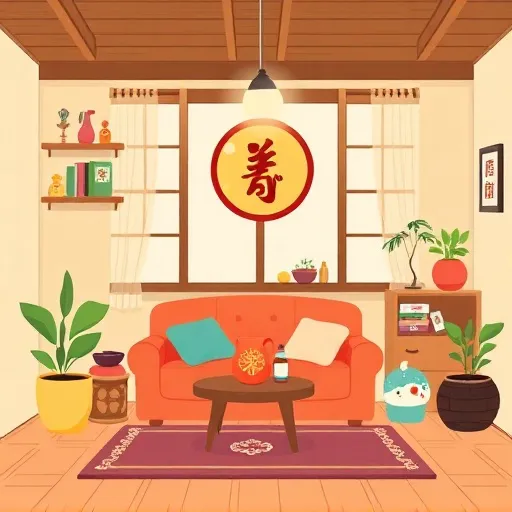
Feng shui as energy
Why Feng Shui and Decluttering Go Hand in Hand: How to Declutter Your Home with Feng Shui
Let's get real for a second: feng shui isn't some mystical magic trick. It's really just a smart framework for understanding how your physical environment shapes your energy flow and emotional well-being. When your home is cluttered, that energy — or chi, as it's traditionally called — gets completely stuck. You feel it every day, even if you don't realize it. It's that subtle stress of walking past a chaotic hallway, the way your eye keeps catching on that stack of unopened mail sitting there for weeks. Learning how to declutter your home with feng shui is honestly one of the most practical ways to tackle this.
Here's a stat that'll make you think: according to a 2026 survey from a leading wellness research platform, over 70% of respondents said that physical clutter in their home directly contributed to feelings of anxiety or being overwhelmed. That's not just a feng shui principle — it's a modern mental health reality. Clearing clutter is one of the fastest ways to shift the energy of a space, and feng shui gives us a structured, intentional approach for how to declutter your home with feng shui in a way that actually sticks.
Start with the Bagua Map and Life Areas (But Keep It Simple)
The bagua map is a foundational feng shui tool that divides your home into nine life areas — wealth, fame, relationships, health, career, knowledge, family, creativity, and the center (which represents overall well-being). Each life area corresponds to specific elements, colors, and intentions.
Now, before you roll your eyes — you seriously don't need to memorize the entire bagua map to figure out how to declutter your home with feng shui. The key is using it as a lens rather than a rulebook. Walk through your home and notice which areas feel heaviest. Is your wealth corner (typically the far-left corner from your front door) stuffed with old receipts and broken electronics? That's a sign. Is your relationships area cluttered with things from exes or outdated photos? That's information you can use.
Use the bagua map as a prompt, not a strict rulebook. The goal is to bring awareness to the areas you've been avoiding — because those are almost always the ones holding the most stuck energy. When you're thinking about how to declutter your home with feng shui, this awareness piece is absolutely essential.
A Quick Bagua Cheat Sheet for Decluttering Your Life Areas
- Wealth area: Clear out expired coupons, old bills, and anything that feels like lack or scarcity.
- Relationships area: Remove items tied to past relationships that no longer serve you. Keep things that symbolize connection and joy.
- Health area: Often the center of the home. Keep it open, clean, and free of heavy furniture or clutter.
- Career area: Remove broken items and anything that feels stagnant. This life area benefits from a clear, unobstructed energy flow.
The One-In, One-Out Rule with a Feng Shui Twist for Positive Energy
You've probably heard of the one-in, one-out rule — every time you bring something new into your home, something old goes out. It's a classic minimalist strategy, but feng shui takes it a step further when you're learning how to declutter your home with feng shui.
Instead of just counting items, ask yourself: Does this object carry positive energy, or does it feel heavy? A gifted vase you've never liked? That's heavy energy. A worn-out pair of shoes you keep "just in case"? Heavy. A beautiful book you've read three times and love? That's positive energy — keep it.
This isn't about getting rid of everything. It's about being intentional. In 2026, the average home contains over 300,000 items according to data from a well-known consumer research group. That's a lot of energy to manage. The one-in, one-out rule — combined with the feng shui question of "does this lift me up?" — is a sustainable way to keep clutter from creeping back. This is a core part of how to declutter your home with feng shui that you can apply daily.
Decluttering by Room: A Feng Shui Approach to Energy Flow
Let's get practical. Here's how to apply feng shui principles to the most cluttered areas of your home — and this is where how to declutter your home with feng shui really comes to life.
The Entryway: Your Mouth of Chi and Energy Flow
In feng shui, the front door is considered the mouth of chi — the primary entry point for energy. If your entryway is blocked, cluttered, or dark, energy can't flow in. In 2026, with so many people working from home, the entryway often becomes a dumping ground for packages, shoes, and bags.
What to do:
- Clear the floor completely. Shoes should be stored in a closed cabinet or rack, not scattered.
- Add a mirror — but not facing the front door (that pushes energy back out). Place it on a side wall to expand the space.
- Remove any broken items immediately. A squeaky hinge or a cracked tile is a literal block in your energy flow.
- Keep the area well-lit. Natural light is ideal, but a warm lamp works too.
The Bedroom: Rest, Recharge, and Clutter-Free Sanctuary
Your bedroom should be a sanctuary, but it's often the most cluttered room in the house. According to feng shui, clutter in the bedroom disrupts sleep and intimate relationships. It's also where we store things we don't want to deal with — literally under the bed.
What to do:
- Clear under the bed. If you must store things there, use soft, breathable containers — not hard plastic bins that block energy.
- Remove electronics from the bedroom. This is feng shui 101, and modern sleep science backs it up.
- Don't store work materials in the bedroom. Your brain needs a clear boundary between rest and productivity.
- Keep the closet organized. A chaotic closet creates chaotic energy. Use matching hangers and sort by category.
The Kitchen: Nourishment, Prosperity, and Abundance
The kitchen represents nourishment and abundance in feng shui. Cluttered countertops are a common complaint — and a major energy blocker. In 2026, with the rise of meal-prep culture and smart appliances, countertops are more crowded than ever.
What to do:
- Clear the countertops as much as possible. Keep only items you use daily.
- Fix or replace broken appliances. A dysfunctional appliance symbolizes a block in nourishment.
- Organize the pantry. Expired food is stagnant energy — toss it.
- Keep the sink clean. In feng shui, the sink and stove represent water and fire elements — keep them balanced and clean.
The Living Room: Gathering Space and Connection
The living room is where family and guests gather. It should feel open, inviting, and energized. If it's packed with furniture, toys, and accumulated stuff, it becomes a space people avoid rather than enjoy.
What to do:
- Create a clear pathway through the room. Blocked pathways create blocked energy.
- Remove items that don't have a home. Everything should have a designated place.
- Use the "80/20" rule: keep 80% of the space visually clear and 20% for display. This prevents overwhelm while allowing personality.
- Repair anything broken — a wobbly table leg or a torn cushion is a small but real energy leak.
The Emotional Side of How to Declutter Your Home with Feng Shui
Let's be honest: decluttering is hard. It's emotional. We attach memories, guilt, and identity to objects. Feng shui doesn't ask you to be ruthless — it asks you to be mindful. This emotional component is a huge part of how to declutter your home with feng shui that most people overlook.
A useful practice is what some modern feng shui practitioners call the "three-box method" with an energetic twist:
- Keep: Items that genuinely bring you joy, serve a clear purpose, and feel light.
- Donate/Sell: Items that are still useful but no longer aligned with who you are.
- Release: Items that are broken, expired, or tied to negative memories.
Before you place something in the release box, hold it for a moment and ask: Does this support the life I'm building, or is it keeping me in the past? That simple pause is a form of energetic hygiene — and it's something NLP practitioners would recognize as a pattern interrupt. You're breaking the automatic "keep it just in case" loop. This mindful approach is exactly how to declutter your home with feng shui in a way that honors your emotional experience.
Don't Forget the Digital Clutter and Energy Drain
Feng shui is about energy, and in 2026, some of our biggest energy drain sources are digital. An overflowing inbox, a cluttered desktop, and thousands of unsorted photos can feel just as heavy as a messy closet. When you're thinking about how to declutter your home with feng shui, don't forget the digital side.
Apply the same principles:
- Clear your phone's home screen of non-essential apps.
- Unsubscribe from email lists you never read.
- Organize digital files into folders that make sense — just like you would with a physical filing cabinet.
- Turn off non-essential notifications. The constant pings are literal interruptions to your energy flow.
One industry-leading platform recently reported that the average smartphone user receives over 70 notifications per day. That's 70 tiny energy blocks. Clearing them is feng shui for the modern age.
Rituals for Releasing and Intention Setting
Feng shui is rich with rituals, and adding a small ritual to your decluttering process can make it feel more meaningful — and more likely to stick. This is a key part of how to declutter your home with feng shui that makes the process feel sacred rather than like a chore.
Here's a simple one: after you've cleared a room, open a window for at least 15 minutes. This is a traditional practice for letting stale energy out and fresh energy in. You can also clap your hands in the corners of the room — a classic feng shui technique for breaking up stagnant energy. Some people like to burn incense or use a singing bowl. Do what feels natural to you.
The point isn't the ritual itself. It's the intention behind it. You're signaling to yourself — and to your space — that you're ready for a shift in energy.
Keeping It Clear: Maintenance Tips for Energy Flow in 2026
Decluttering isn't a one-time event. It's a practice. Here are a few habits that will help you keep the energy flowing — and they're essential for how to declutter your home with feng shui long-term:
- Daily 10-minute reset: Spend 10 minutes each day returning items to their homes. This prevents accumulation.
- Seasonal deep cleans: At the start of each season, do a quick pass through each room. Clutter sneaks in — catch it early.
- Mindful purchasing: Before you buy something, ask: Where will this live in my home? Does it add energy or take it away?
- Monthly bagua check-in: Once a month, walk through the bagua areas of your home and notice which one feels heaviest. Address it.
Mastering how to declutter your home with feng shui is really about creating a sustainable rhythm. Your home is a reflection of your inner world. When you clear the clutter, you make room for something new — whether that's better sleep, more focus, or simply a deeper sense of calm and well-being. And honestly, that's a decluttering goal worth pursuing every single day.