Plants as feng shui
Why Plant Placement Matters More Than You Think
Feng shui is all about how energy — what folks call qi or chi — moves through your space. And plants? They're basically little energy activators. They're alive, they grow upward, they reach for the light. Stick one in the right spot and a dead corner suddenly starts to breathe. But put it in the wrong place and you might create this weird feeling of heaviness or clutter without ever figuring out why. That's exactly why knowing where to put plants for good feng shui isn't just some woo-woo detail — it genuinely changes how a room feels.
There's a practical side to this too. A plant that gets the right light, airflow, and room to grow will actually thrive — and in feng shui terms, a thriving plant symbolizes prosperity and vitality. A sad, struggling plant in a dark hallway does the exact opposite. So the first rule is dead simple: place plants where they can genuinely flourish. Energy follows life, not the other way around. When you're figuring out where to put plants for good feng shui, start with the plant's health and the rest tends to fall into place.
Pros in interior ecology have been hammering this point for years — the psychological benefit of greenery is strongest when the plant looks healthy and sits where your eye naturally lands. That's a design principle and a feng shui principle rolled into one. So before you obsess over where to put plants for good feng shui, make sure the spot actually keeps the thing alive.
The Commanding Position, Bagua Map, and Sha Qi Basics for Plant Placement
Before you move a single pot, get these core ideas down. They'll guide every decision about where to put plants for good feng shui.
Find the commanding position. In any room, that's the spot diagonally across from the main entrance — where you can see the door without being right in line with it. It's the power spot. A healthy, upright plant near this area supports stability and control. Think of it as giving the room a strong anchor.
Respect the bagua map. Most practitioners use the bagua — an energy map that overlays different life areas onto zones of your home. Each zone ties to themes like wealth, health, relationships, career, and creativity. You don't need to memorize all nine sectors, but knowing the layout helps you decide where to put plants for good feng shui zone by zone.
Watch for sharp corners and straight lines. Sharp corners and long corridors create sha qi — cutting energy. A soft, rounded plant near a sharp corner or at the end of a hallway softens and redirects that energy. It's one of the most reliable, easy placements in the whole system.
Don't block doorways or pathways. A plant that crowds an entryway or forces you to sidestep creates friction — literally and energetically. Keep the path from door to room clear. Plants should invite movement, not obstruct it.
Entrance, Living Room, and Bedroom Spots for Where to Put Plants for Good Feng Shui
Here's where it gets practical. The front door is the "mouth of qi" — the main entry point for energy. Place a welcoming, rounded plant to the side of the doorway, not directly in front. Broad-leafed species work great because wide leaves traditionally gather and hold energy. Skip spiky or thorny plants right at the entrance — cacti near the door are said to repel energy rather than welcome it. And keep it clean: a dying plant in the entryway is one of the most common feng shui mistakes. If it's struggling, move it.
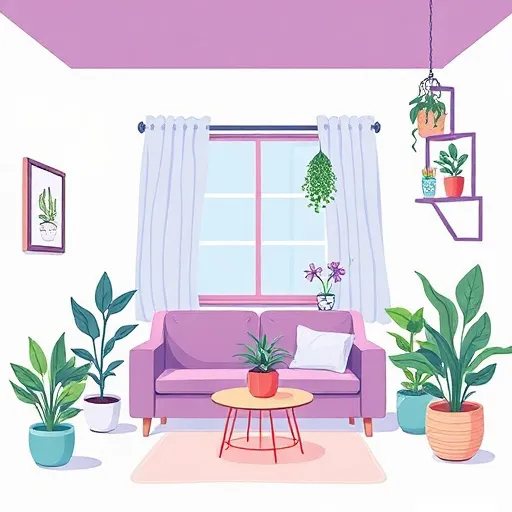
In the living room — the heart of social energy — you can be generous with greenery. Place a large statement plant in or near the commanding position to anchor the room. Use tall plants to soften sharp corners. Group plants in odd numbers — three is classic, since odd numbers feel more dynamic. Keep the center relatively open; it represents the earth element and should feel grounded, not crowded. A "living corner" — a cluster of varying heights mimicking a small indoor garden — is a trend that's gained real traction lately. Just make sure each plant still gets adequate light and none get smothered by bigger neighbors.
Bedrooms call for caution, since the whole point is rest and too much active energy can interfere with sleep. Keep plants modest in number — one or two small, calm ones is plenty. Avoid large, aggressive growers near the bed; ferns and soft, low-energy plants beat bold-leafed specimens. Skip sharp leaves, and never hang planters directly above the head of the bed. If you're a plant lover with a small bedroom, rotate plants instead of crowding — a few weeks in the bedroom, a few weeks in the living room. That keeps the energy fresh and the plants healthier.
Kitchen, Bathroom, and Home Office Placement Tips
The kitchen represents nourishment and abundance, and it's got strong fire and water elements, so placement should balance rather than compete. Put herbs near a window — basil, mint, and rosemary are classic choices. Avoid plants directly over the stove; heat and steam stress most species. A small plant on a counter or shelf softens those hard, linear surfaces.
Bathrooms drain energy — water flows out and qi supposedly leaves with it. Moisture-loving species are the natural fit. Place a humidity-tolerant plant on a shelf or windowsill if there's natural light, but don't overcrowd — one plant is usually enough in a cramped space. And keep the toilet lid closed; it's a classic recommendation that pairs naturally with mindful placement.
With remote and hybrid work now firmly embedded in how most people live, the home office has become a major feng shui consideration. Place a plant in the career zone — typically the area closest to the door, on the wall opposite the entrance — to support professional growth. A small plant on the desk is fine, but keep it to the side, not between you and your screen. Avoid spiky plants on the desk; they create subtle tension.
Bagua Zones and Plants to Avoid in Certain Spots
Want to go a level deeper on where to put plants for good feng shui? Match plants to life areas. For wealth and abundance, round-leafed plants with coin-shaped foliage go in the far-left corner. For fame and reputation, upright, reaching species symbolize growth. For relationships and love, pair two plants in matching pots — a classic symbol of partnership. For health and family, go hardy and resilient. For career, pick plants suggesting upward movement. For knowledge, smaller contemplative plants suit a reading nook. For creativity, playful, textured plants spark visual interest. For travel and helpful people, trailing species work well. And keep the center grounded with one sturdy plant. A useful tip: don't fill every zone at once — pick two or three that match what you actually want to shift right now.
As for what to avoid: cacti and spiky plants deter negative energy but can create tension — keep them away from seating areas, bedrooms, and entryways. Vigorous climbing vines can symbolize entrapment if they take over, so keep them trimmed. Dying plants are the biggest one — a failing plant in a prominent spot symbolizes declining energy. And overly large plants in small rooms feel oppressive; scale matters.
Practical Rules and Common Mistakes When Deciding Where to Put Plants for Good Feng Shui
Good design and good feng shui overlap completely here. Check light conditions before committing a plant — a north-facing corner with no window will kill most species no matter how auspicious the location. Consider airflow; stuffy, still spots aren't ideal energetically or horticulturally. Think about maintenance access — a plant you can't easily water will decline. Keep pots and soil clean, since stagnant water and dust undermine the freshness plants bring. And rotate plants periodically to keep energy moving. Pros often point out that the single biggest predictor of whether a placement "works" is whether the plant stays alive and healthy.
Now the mistakes. Blocking the front door is the most common error. Overloading a single room doesn't equal better feng shui — balance is the point. Ignoring the plant's needs (sun-lover in a dark corner because "the corner needs energy") is a recipe for a dead plant and stagnant energy. Fake plants are a shortcut most traditional practitioners frown on; if you must, keep them dust-free and don't rely on them exclusively. A jungle in the bedroom is a classic enthusiast mistake — scale back for rest. And hanging plants over a sofa or bed creates subtle unease.
So where to put plants for good feng shui? Short answer: where they'll thrive, where they support the room's function, and where they help energy move rather than stall. Start with the entrance and the commanding position, soften sharp corners, keep pathways clear, scale back in the bedroom, and match plants to light and lifestyle. The deeper lesson is that feng shui isn't a checklist — it's a way of paying attention. Move a pot, watch how the room feels, adjust. That intuitive process is itself the practice — and it's the most sustainable way to master where to put plants for good feng shui.